 ENEnglish
 LTLietuviškai
 DEDeutsch
 FRFrançais
 RUРусский
 ESEspañol
 PLPolski
 ITItaliano
 UKУкраїнська
 CSČeština
 PTPortuguês
 JA日本語
 LVLatviešu valoda
 ETEesti
 HUMagyar
 IDBahasa Indonesia
 TRTürkçe
 HIहिन्दी
 ELΕλληνικά
 ARالعربية
 THไทย
 VITiếng Việt
 RORomână
 MSBahasa Melayu
 BNবাংলা
#International SEO
International SEO is the work of making a website findable by searchers in more than one country or language. It covers how the site is structured, how language and country versions are signalled to search engines, and how content is adapted for each market. Typical tasks include choosing between country domains, subdomains and subfolders, adding hreflang annotations and keeping translations consistent. It also includes local keyword research, because people in different markets search with different words. Articles under this tag explain the concepts in plain language and show how to check and fix the most common problems.
 30 Αυγ 2026 · 7 λεπτά ανάγνωσης
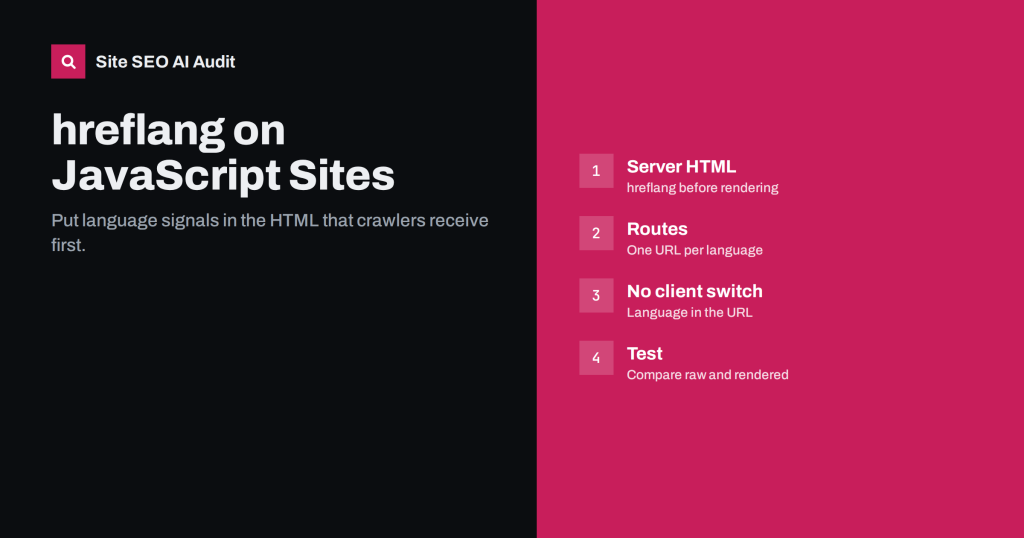
hreflang on JavaScript and Headless Sites: What Can Go Wrong
On JavaScript sites, hreflang, lang and canonical tags often appear only after rendering. How to serve them in the initial HTML and test what…
 29 Αυγ 2026 · 8 λεπτά ανάγνωσης
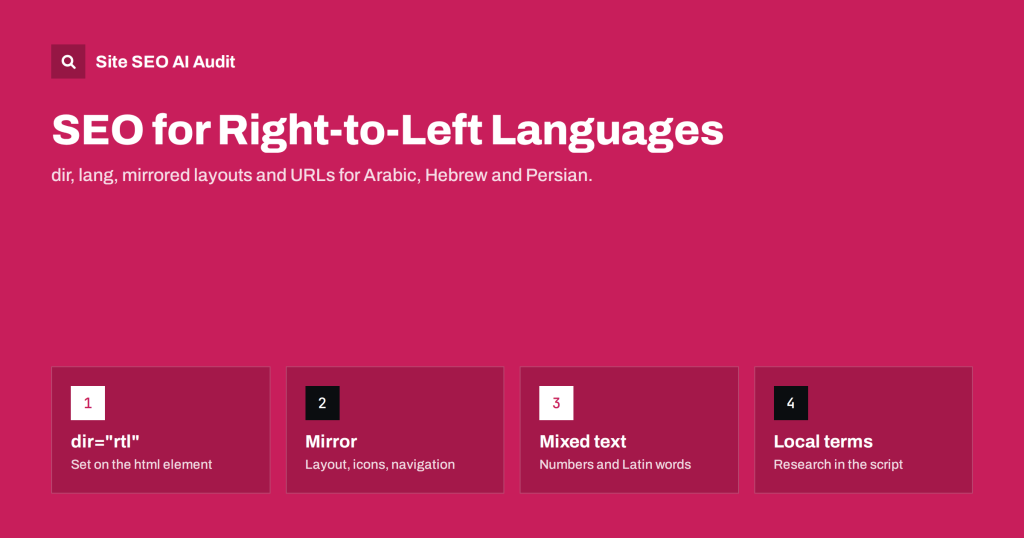
SEO for Right-to-Left Languages: Arabic, Hebrew and Persian
How to launch Arabic, Hebrew, Persian or Urdu versions that work for readers and search engines: dir and lang attributes, mirrored layouts, URLs and…
 28 Αυγ 2026 · 8 λεπτά ανάγνωσης
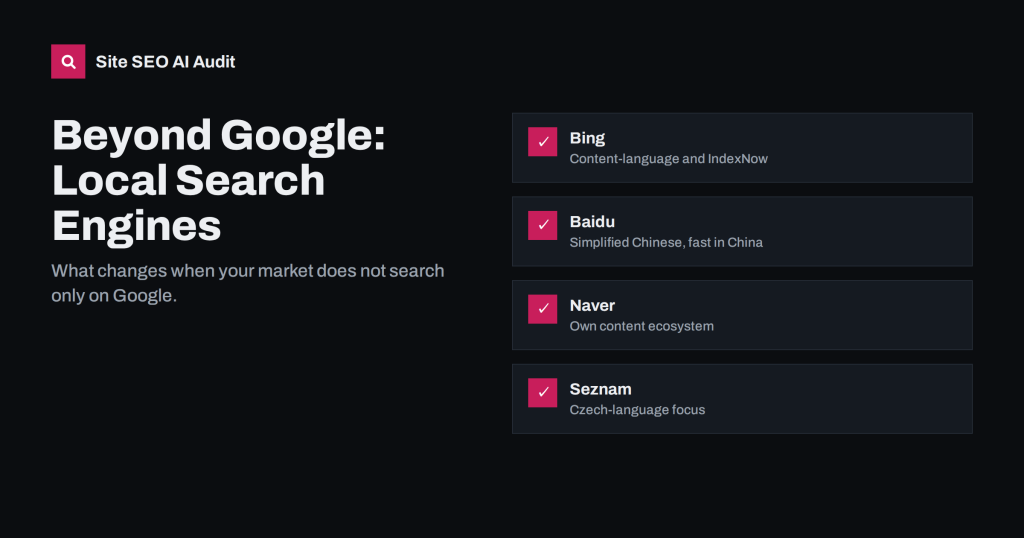
Beyond Google: Bing, Baidu, Naver and Other Local Search Engines
In some markets Google is not the only search engine that matters. How Bing, Baidu, Yandex, Naver and Seznam differ, and what that means…
 27 Αυγ 2026 · 8 λεπτά ανάγνωσης
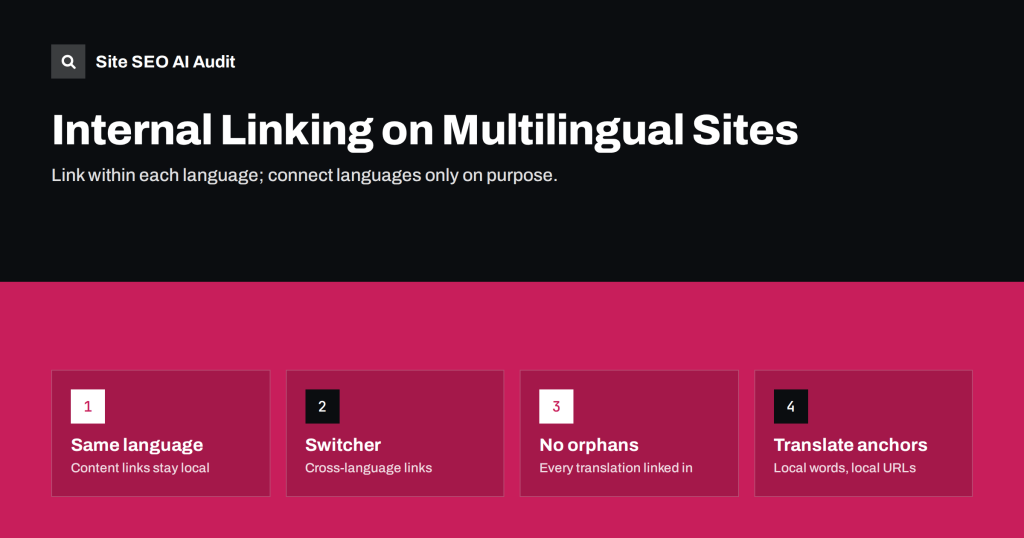
Internal Linking on Multilingual Sites: Rules That Work
How to link within and across languages on a multilingual site: keep links in the page's language, use the switcher for cross-language links and…
 25 Αυγ 2026 · 8 λεπτά ανάγνωσης
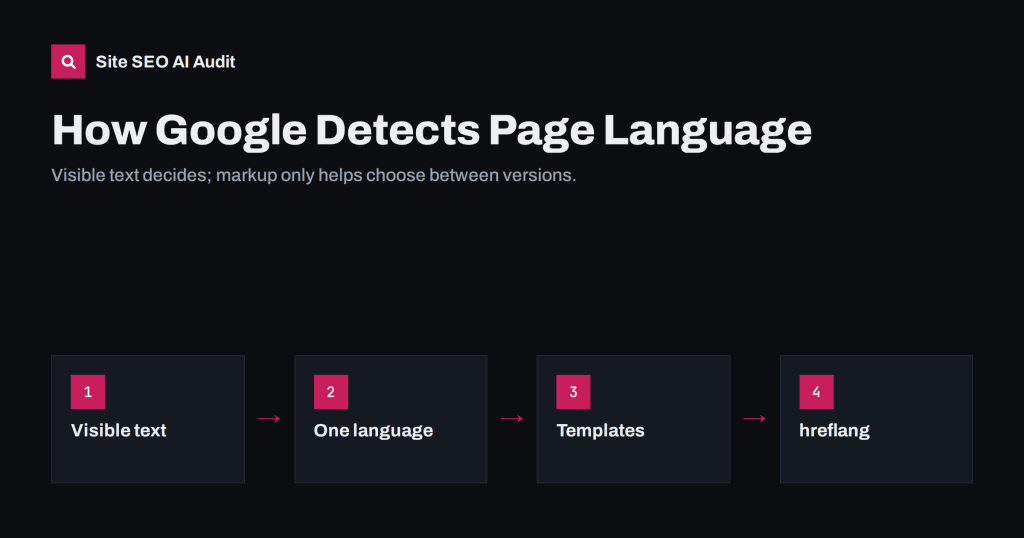
How Google Detects the Language of a Page, and Why It Matters
Google works out a page's language from its visible text, not from lang or hreflang. Learn what that means for mixed-language pages, templates and…
 24 Αυγ 2026 · 8 λεπτά ανάγνωσης
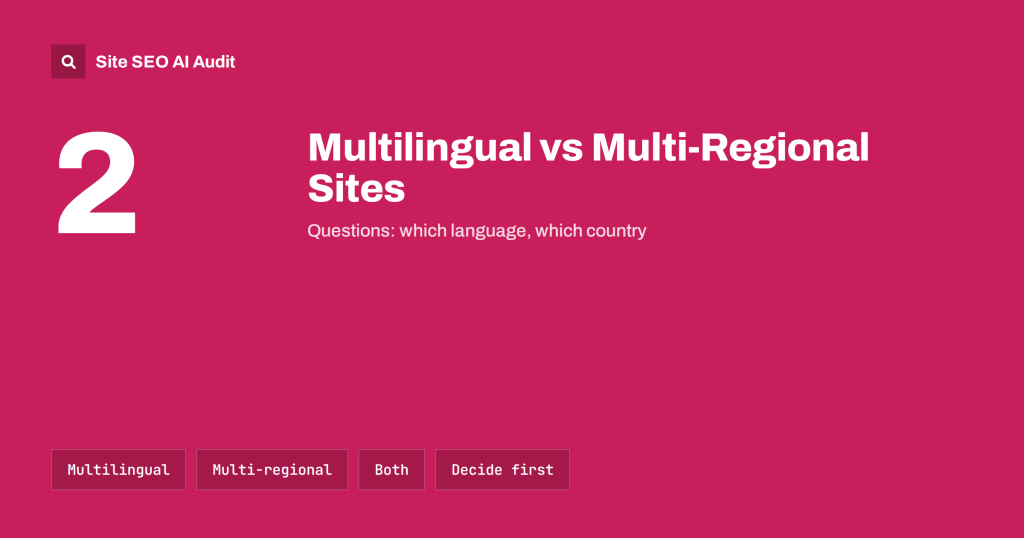
Multilingual vs Multi-Regional Sites: What Is the Difference?
Multilingual sites target languages; multi-regional sites target countries. Learn the difference, when you need each, and how it changes URLs and hreflang.
 23 Αυγ 2026 · 8 λεπτά ανάγνωσης
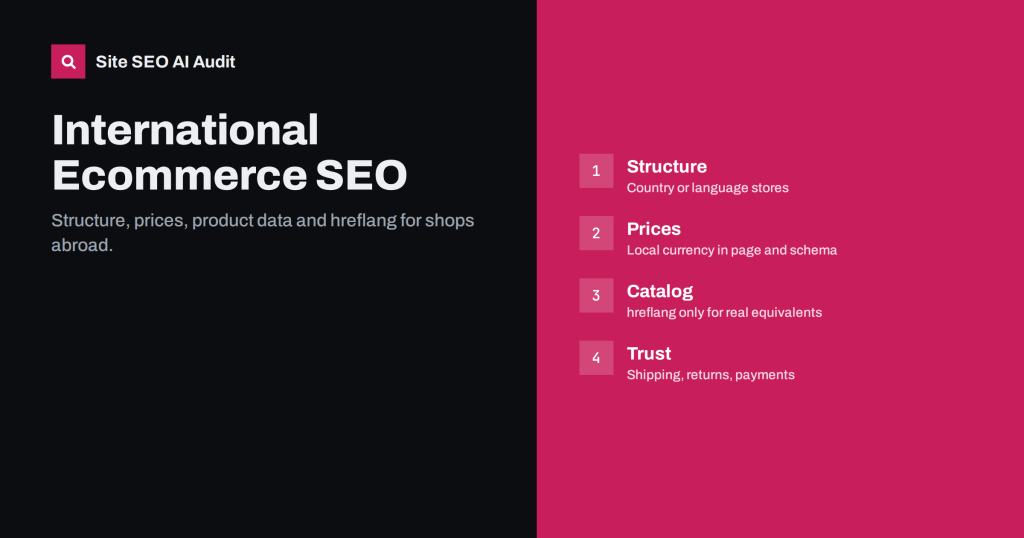
International Ecommerce SEO: Selling in Several Countries
How online shops rank in several countries: store structure, currencies, product data, hreflang for catalogs, shipping and legal pages, and the traps to avoid.
 21 Αυγ 2026 · 8 λεπτά ανάγνωσης
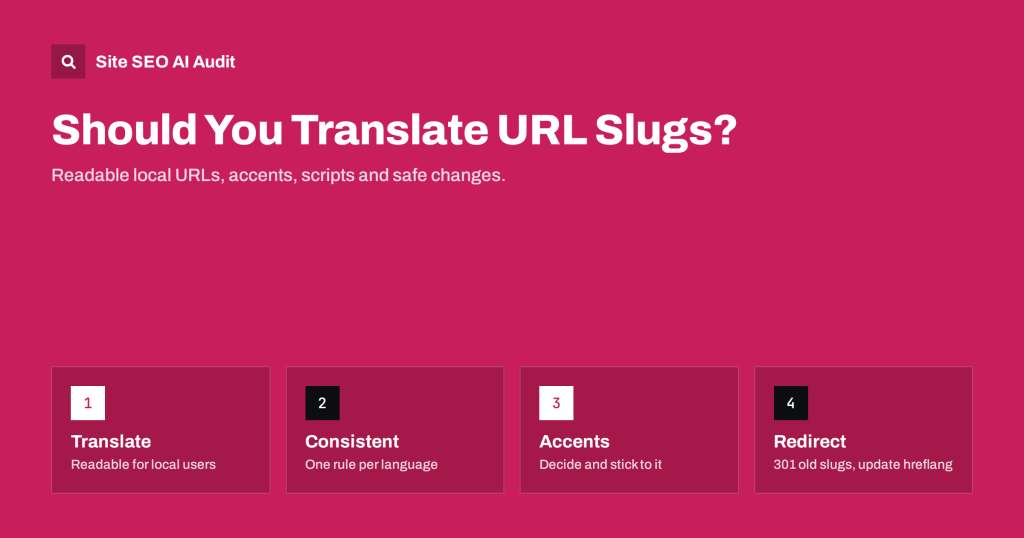
Should You Translate URL Slugs on a Multilingual Site?
Translated or original-language slugs? The SEO and usability trade-offs, handling accents and non-Latin scripts, and changing slugs without losing traffic.
 20 Αυγ 2026 · 7 λεπτά ανάγνωσης
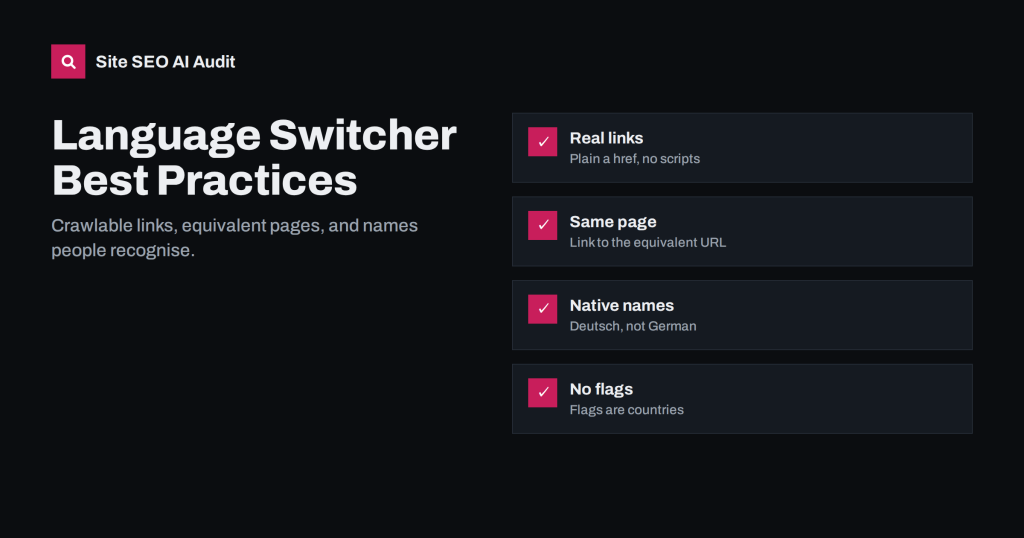
Language Switcher Best Practices for SEO and Usability
How to build a language switcher that search engines can crawl and visitors understand: real links, equivalent pages, native language names and no flags.
 19 Αυγ 2026 · 8 λεπτά ανάγνωσης
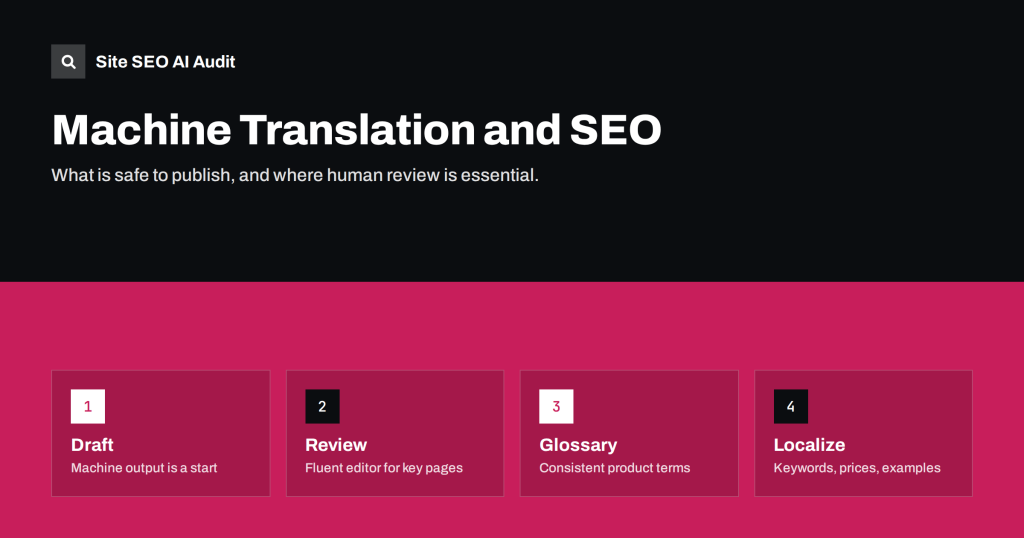
Machine Translation and SEO: What Is Safe to Publish
Can you publish machine-translated pages without hurting SEO? What search engine policies say, where the real risks are and a review workflow that works.
 18 Αυγ 2026 · 8 λεπτά ανάγνωσης
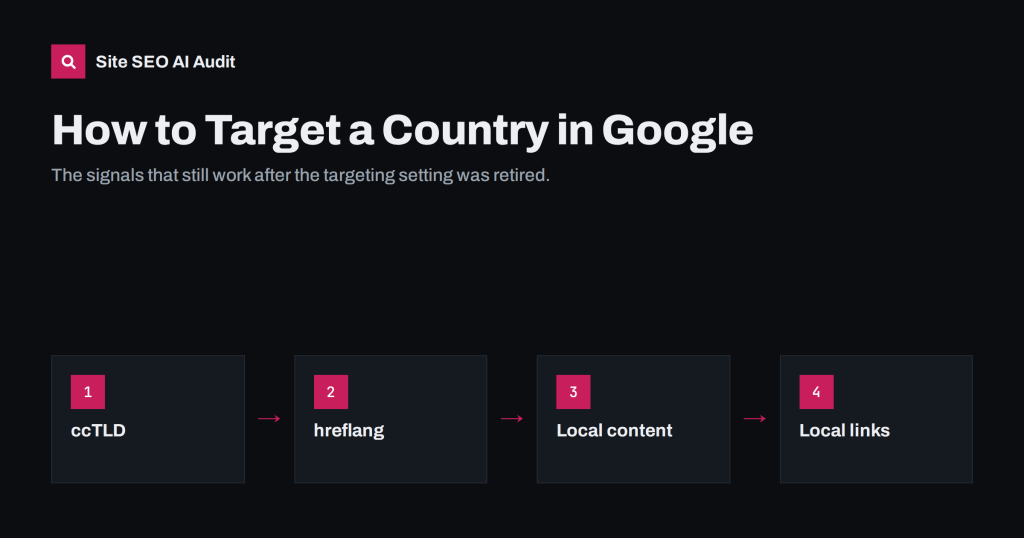
How to Target a Specific Country in Google Search Today
Google retired its country targeting setting, so how do you target a country now? The signals that still work: domains, hreflang, local content and…
 17 Αυγ 2026 · 8 λεπτά ανάγνωσης
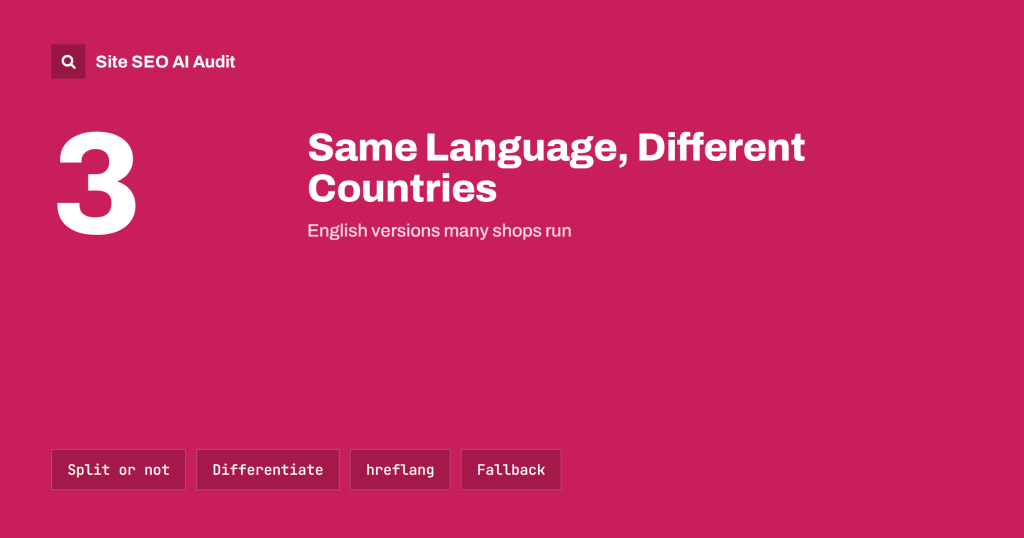
Same Language, Different Countries: How to Target en-US and en-GB
How to run separate pages for the US, UK, Australia or Spain and Mexico without duplicate trouble: when to split, what to change and…