 ENEnglish
 LTLietuviškai
 DEDeutsch
 FRFrançais
 RUРусский
 ESEspañol
 PLPolski
 ITItaliano
 UKУкраїнська
 CSČeština
 PTPortuguês
 JA日本語
JA日本語 LVLatviešu valoda
 ETEesti
 HUMagyar
 IDBahasa Indonesia
 TRTürkçe
 HIहिन्दी
 ELΕλληνικά
 ARالعربية
 THไทย
THไทย VITiếng Việt
 RORomână
 MSBahasa Melayu
 BNবাংলা
#Technical SEO
Technical SEO is the part of search optimization that makes a website easy to crawl, render and index. Articles tagged here cover robots.txt, canonicals, redirects, status codes, sitemaps and site speed. They explain how search engines move through a site and where that process usually breaks. Each guide gives concrete steps to find a problem and fix it. The focus is on issues that affect many pages at once. A sound technical base lets good content be found and ranked.
 2026-09-29 · Skaitymo laikas: 8 min.
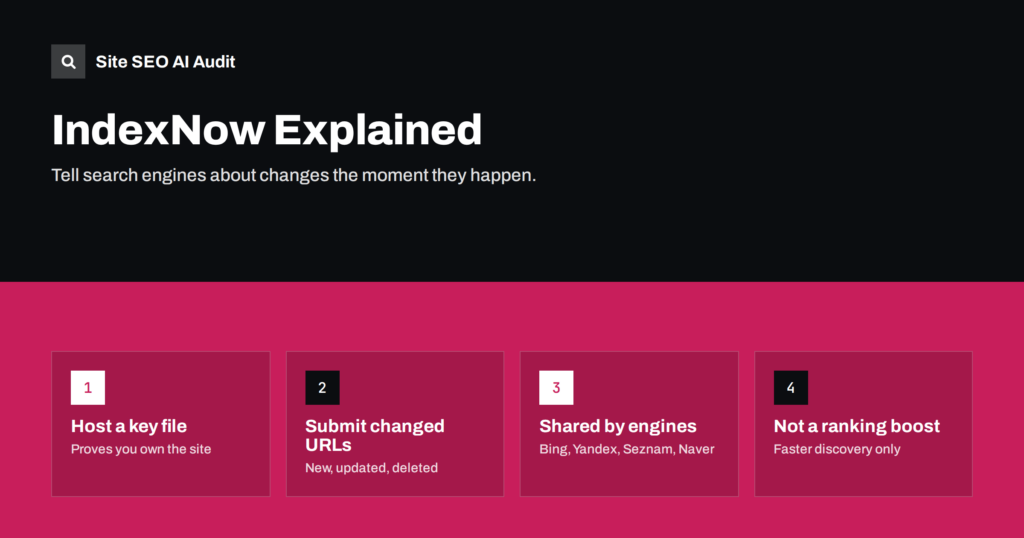
IndexNow Explained: Should Your Site Ping Search Engines?
What IndexNow is, which search engines use it, how to set it up with a key file or plugin, what it does not do,…
 2026-09-29 · Skaitymo laikas: 8 min.
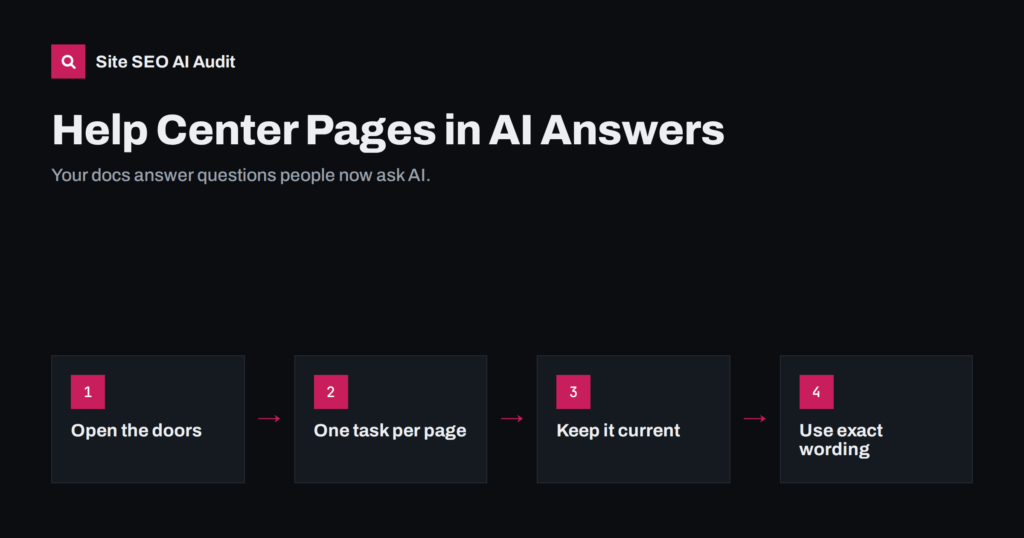
Help Center and Documentation Pages in AI Answers
How to make help center and documentation pages usable by AI assistants: crawler access, task-based structure, versioning and retiring old articles.
 2026-09-29 · Skaitymo laikas: 8 min.
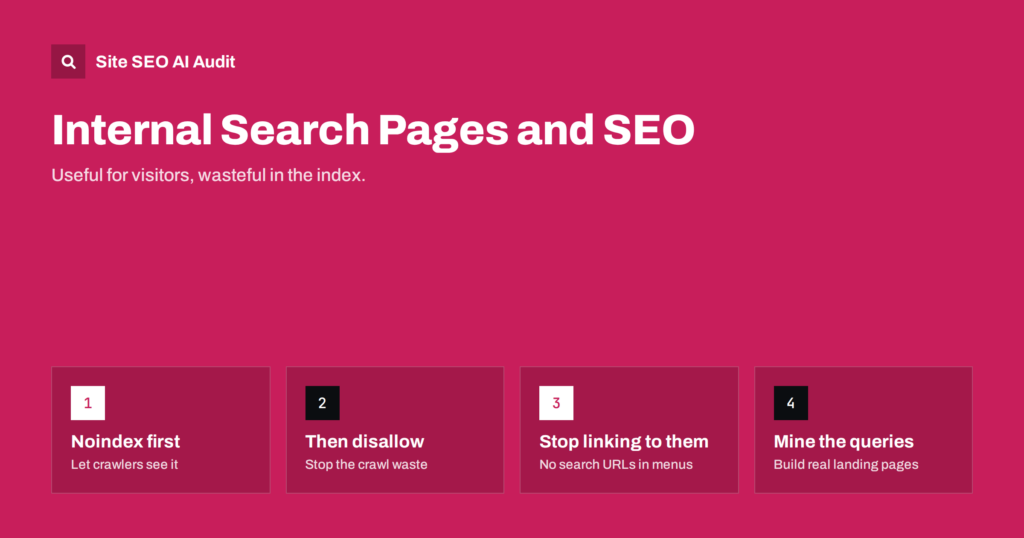
Internal Site Search Pages: Keep Them Out of the Index
Why internal site search result pages should usually stay out of Google, how to block them with noindex or robots.txt, and how to use…
 2026-09-29 · Skaitymo laikas: 8 min.
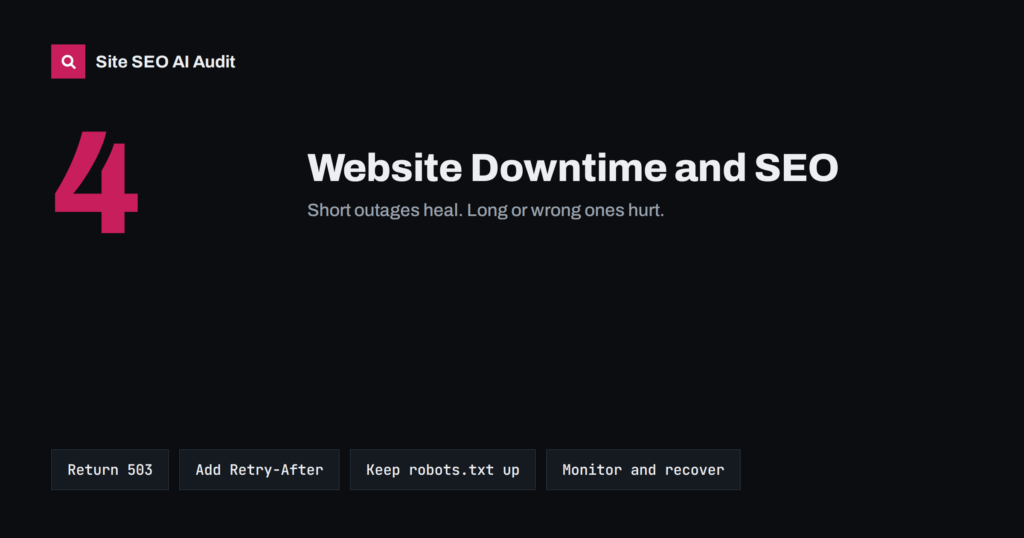
Website Downtime and SEO: What Outages Do to Rankings
What happens to rankings when a website goes down, how long is too long, how to handle planned maintenance with 503, and how to…
 2026-09-29 · Skaitymo laikas: 8 min.
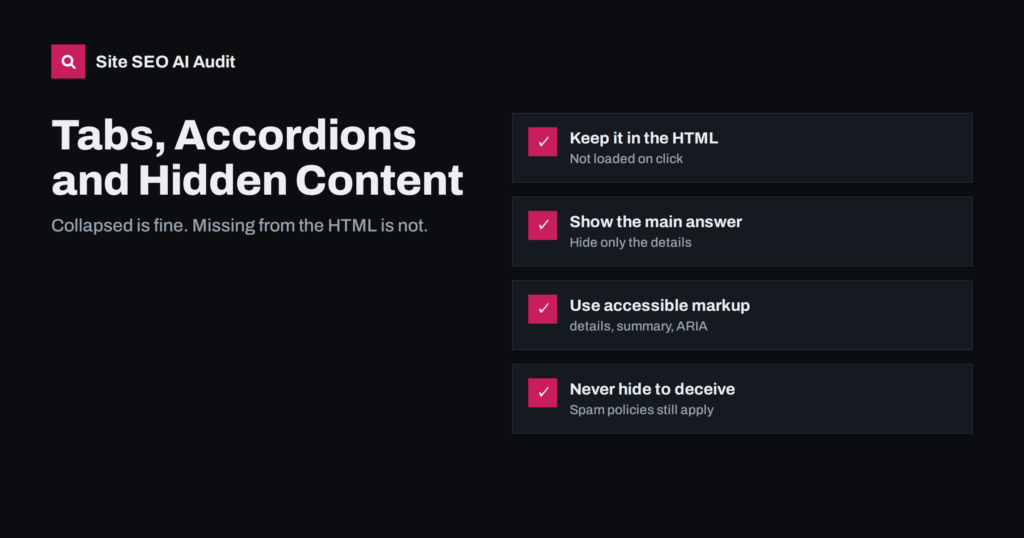
Tabs and Accordions: Does Google Count Hidden Content?
Does content inside tabs, accordions and read-more toggles count for SEO? How search engines treat it, when it is safe, and how to build…
 2026-09-29 · Skaitymo laikas: 8 min.
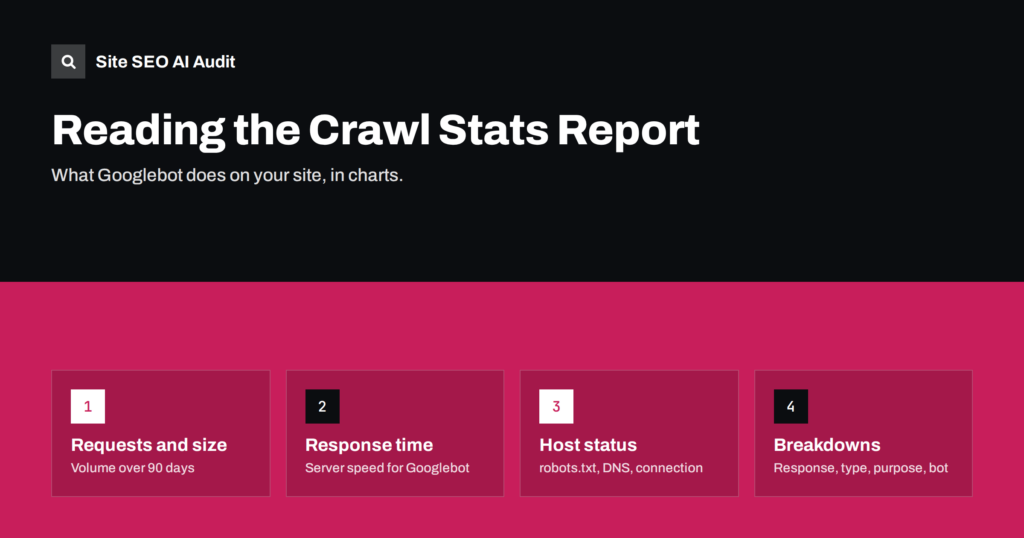
Crawl Stats Report in Search Console: How to Read It
A plain guide to the Search Console Crawl Stats report: what each chart and breakdown means, which patterns are normal, and which ones point…
 2026-09-29 · Skaitymo laikas: 8 min.
Last-Modified, ETag and 304: HTTP Caching Headers for SEO
How Last-Modified, ETag and 304 Not Modified responses help crawlers and visitors, how to test your headers, and caching mistakes that confuse search engines.
 2026-09-28 · Skaitymo laikas: 7 min.
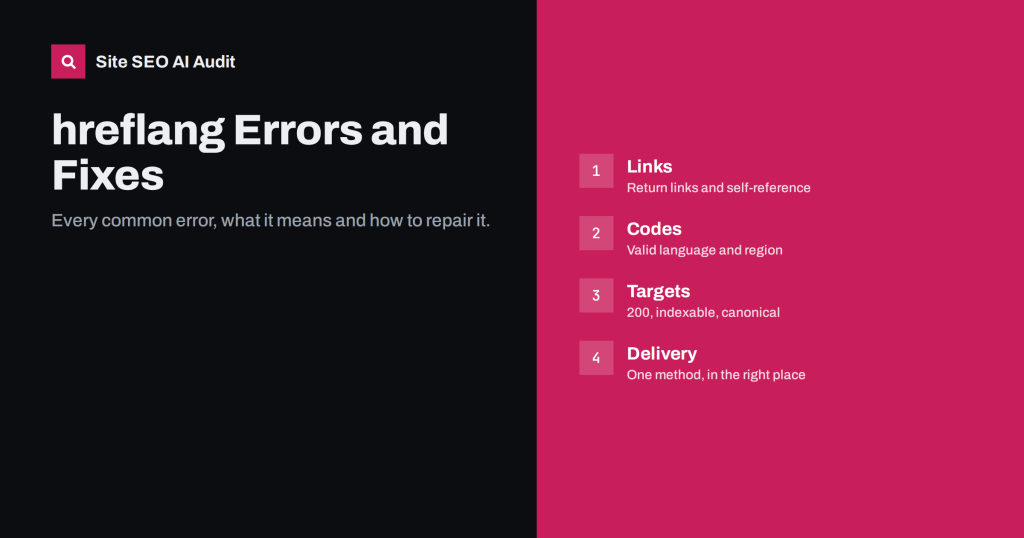
hreflang Errors: The Complete List and How to Fix Each One
Every common hreflang error in one place: missing return links, invalid codes, redirects, noindex targets, canonical conflicts, x-default issues and fixes.
 2026-09-27 · Skaitymo laikas: 7 min.
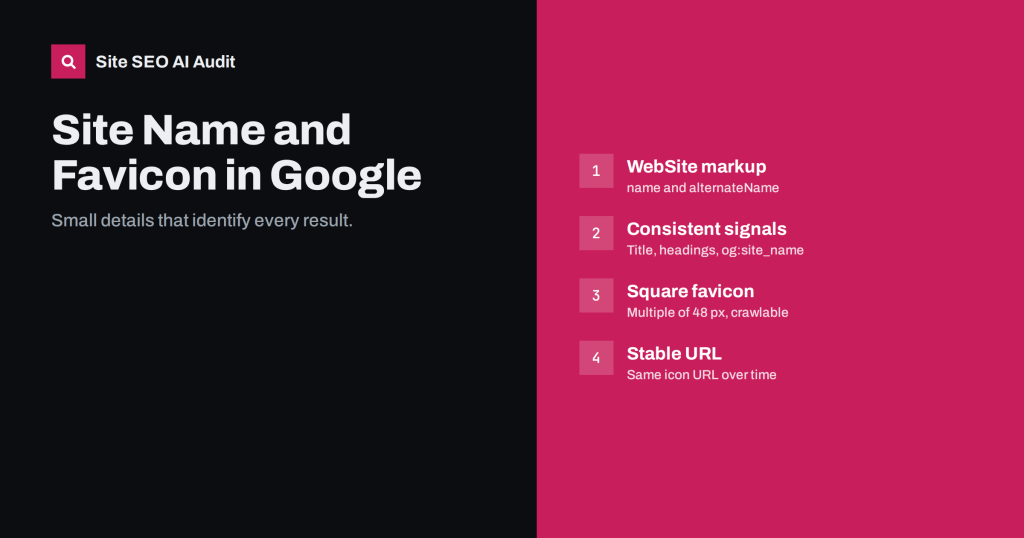
Site Name and Favicon in Google Results: How to Set Them
Google shows a site name and favicon next to results. How it picks them, the WebSite markup and favicon rules to follow, and what…
 2026-09-26 · Skaitymo laikas: 7 min.
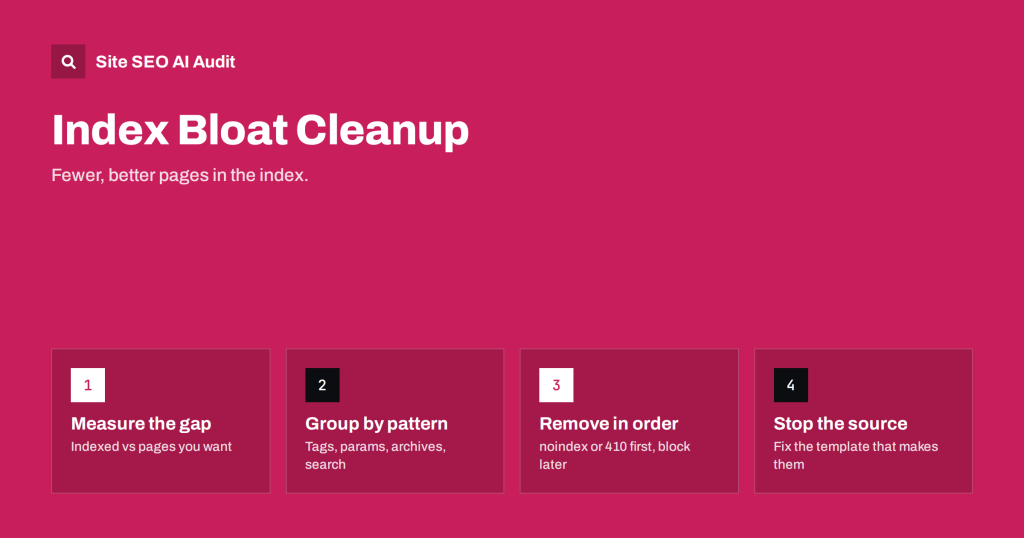
Index Bloat: How to Find and Clean Up Unwanted Indexed URLs
Index bloat means search engines hold many URLs you never meant to rank. How to measure it, which URL types cause it, and how…
 2026-09-25 · Skaitymo laikas: 8 min.
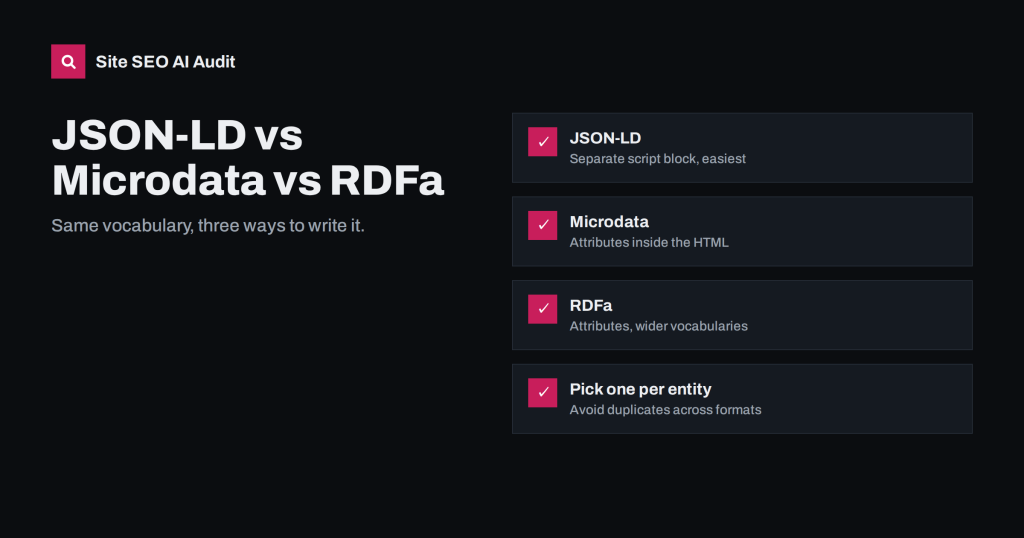
JSON-LD vs Microdata vs RDFa: Which Structured Data Format?
Three formats can carry Schema.org structured data. How JSON-LD, Microdata and RDFa differ, which one to choose, and how to migrate from one to…
 2026-09-23 · Skaitymo laikas: 7 min.
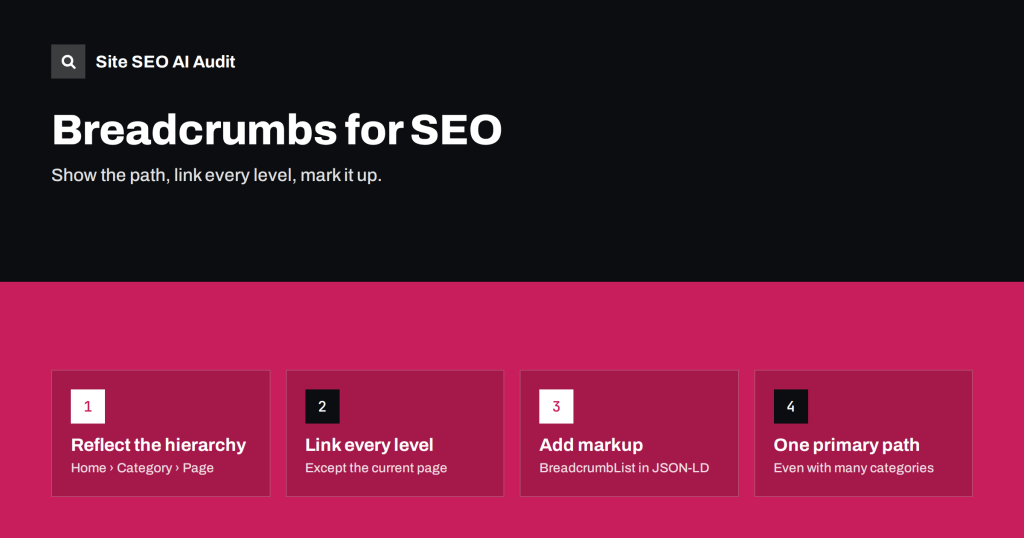
Breadcrumbs for SEO: Navigation and BreadcrumbList Markup
Breadcrumbs help visitors and search engines understand where a page sits. How to design them, add BreadcrumbList structured data and avoid the common mistakes.