 ENEnglish
 LTLietuviškai
 DEDeutsch
 FRFrançais
 RUРусский
 ESEspañol
 PLPolski
 ITItaliano
 UKУкраїнська
 CSČeština
 PTPortuguês
 JA日本語
 LVLatviešu valoda
 ETEesti
 HUMagyar
 IDBahasa Indonesia
 TRTürkçe
 HIहिन्दी
 ELΕλληνικά
 ARالعربية
 THไทย
 VITiếng Việt
 RORomână
 MSBahasa Melayu
 BNবাংলা
#Technical SEO
Technical SEO is the part of search optimization that makes a website easy to crawl, render and index. Articles tagged here cover robots.txt, canonicals, redirects, status codes, sitemaps and site speed. They explain how search engines move through a site and where that process usually breaks. Each guide gives concrete steps to find a problem and fix it. The focus is on issues that affect many pages at once. A sound technical base lets good content be found and ranked.
 2 de nov. de 2026 · 8 min de leitura
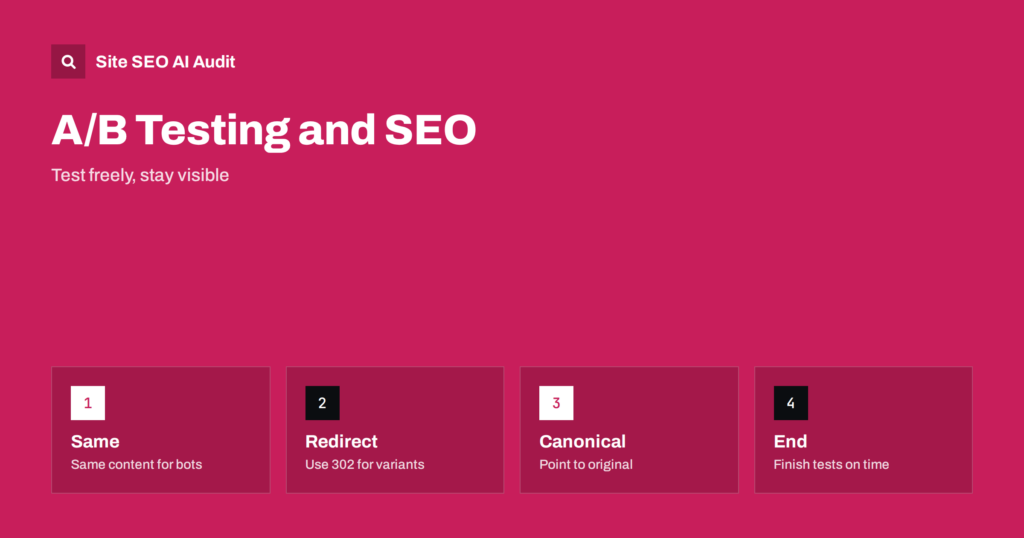
A/B Testing Without Hurting Your SEO: Safe Methods
A/B tests can run safely alongside SEO if you avoid cloaking, use the right redirects and canonicals and end tests on time. See the…
 2 de nov. de 2026 · 8 min de leitura
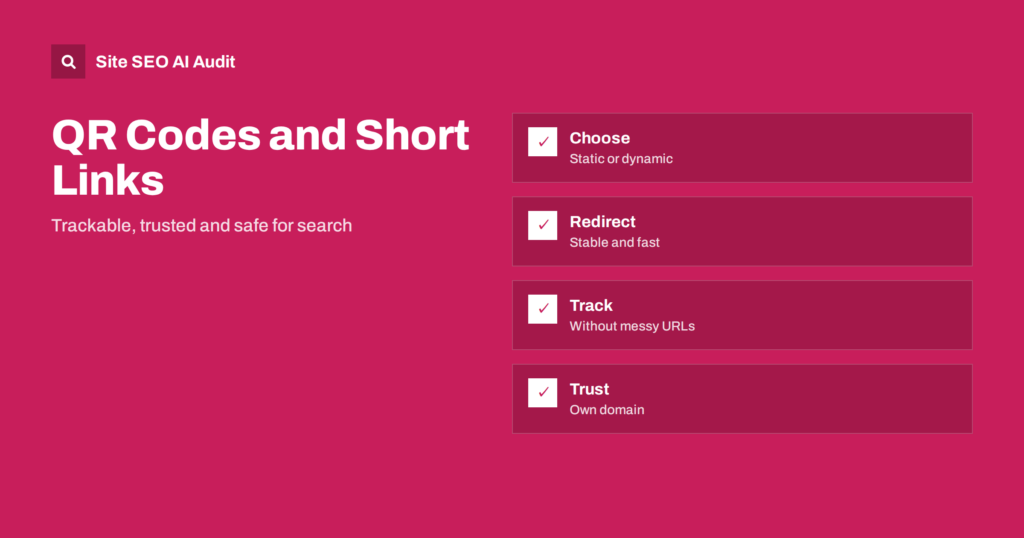
QR Codes and Short Links: SEO and Tracking Basics
QR codes and short links send offline and social visitors to your pages. Learn how redirects, tracking and link choice affect SEO, trust and…
 1 de nov. de 2026 · 7 min de leitura
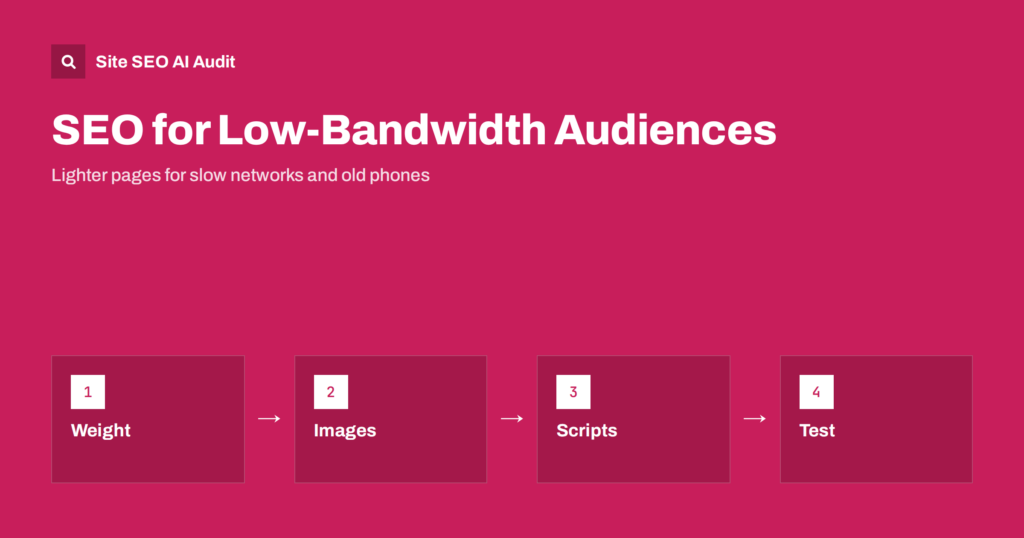
SEO for Low-Bandwidth Audiences and Older Devices
Visitors on slow networks and older phones leave heavy pages quickly. See how lighter pages, efficient assets and tested budgets help rankings and conversions.
 1 de nov. de 2026 · 8 min de leitura
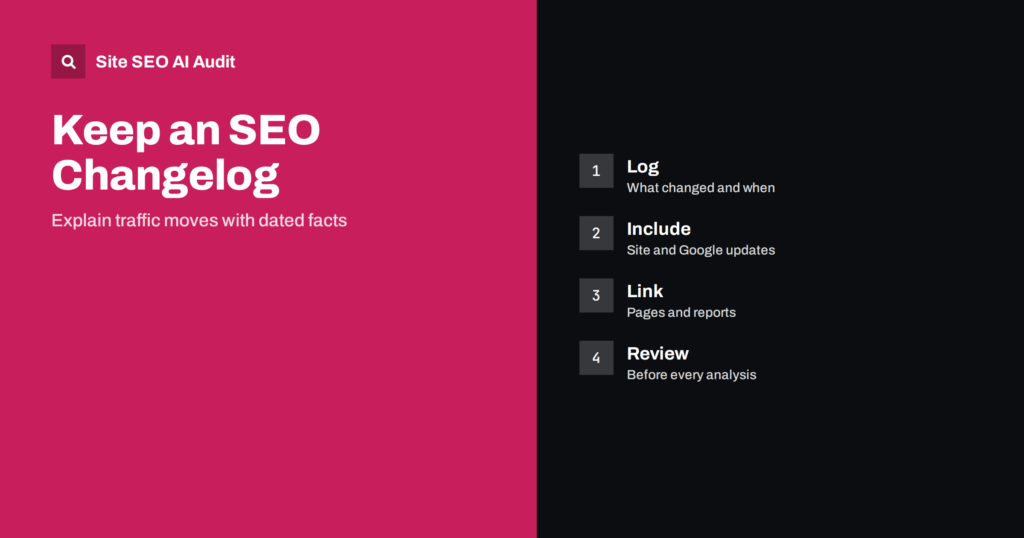
SEO Changelog: Record Changes to Explain Traffic Moves
An SEO changelog records what changed on a site and when. Learn what to log, how to keep it simple and how it helps…
 1 de nov. de 2026 · 8 min de leitura
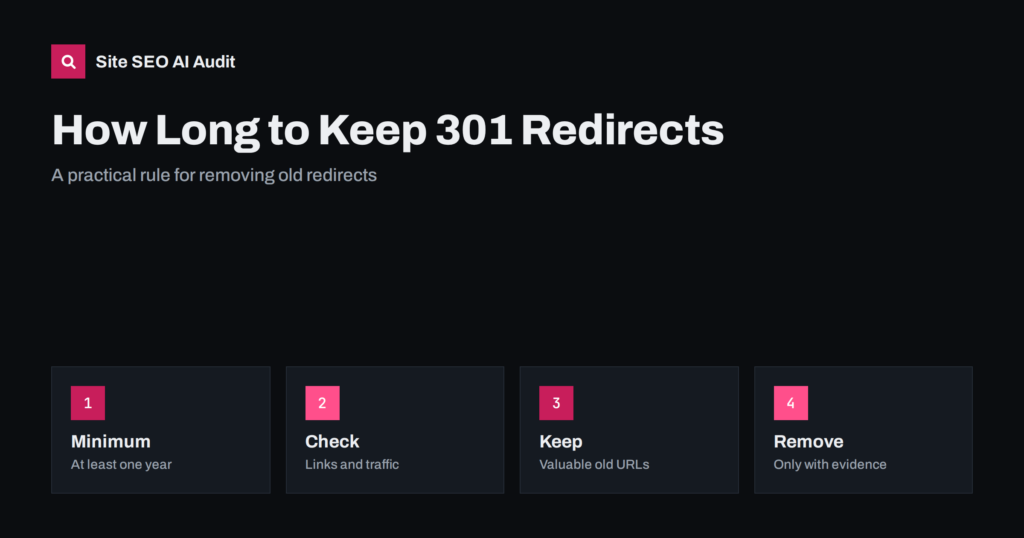
How Long Should You Keep 301 Redirects in Place?
Google suggests keeping redirects for at least a year, but links and bookmarks can last far longer. Learn how to decide when a 301…
 1 de nov. de 2026 · 8 min de leitura
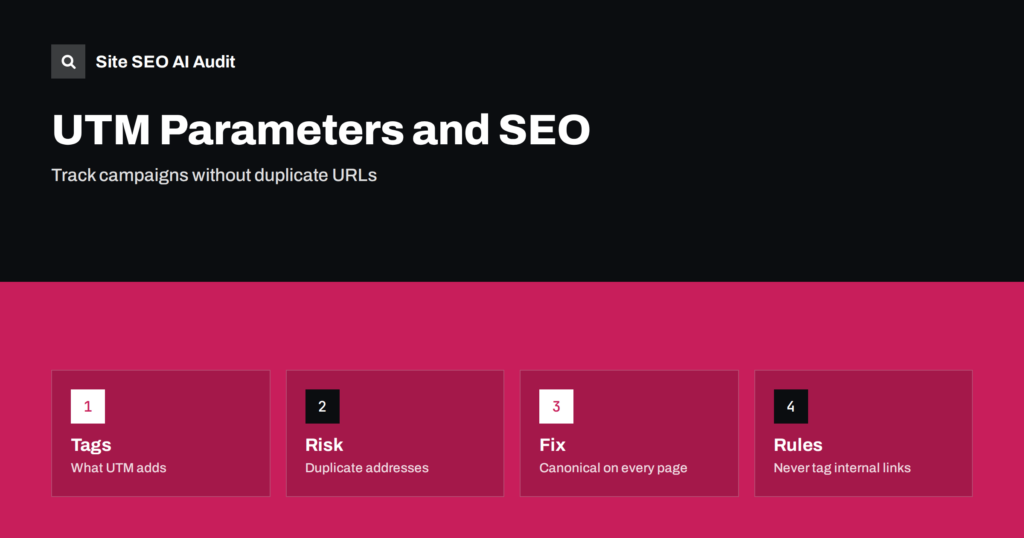
UTM Parameters and SEO: Tracking Without Duplicate URLs
UTM tags help measure campaigns but can create duplicate URLs, split link value and pollute reports. See how to use them safely and keep…
 1 de nov. de 2026 · 8 min de leitura
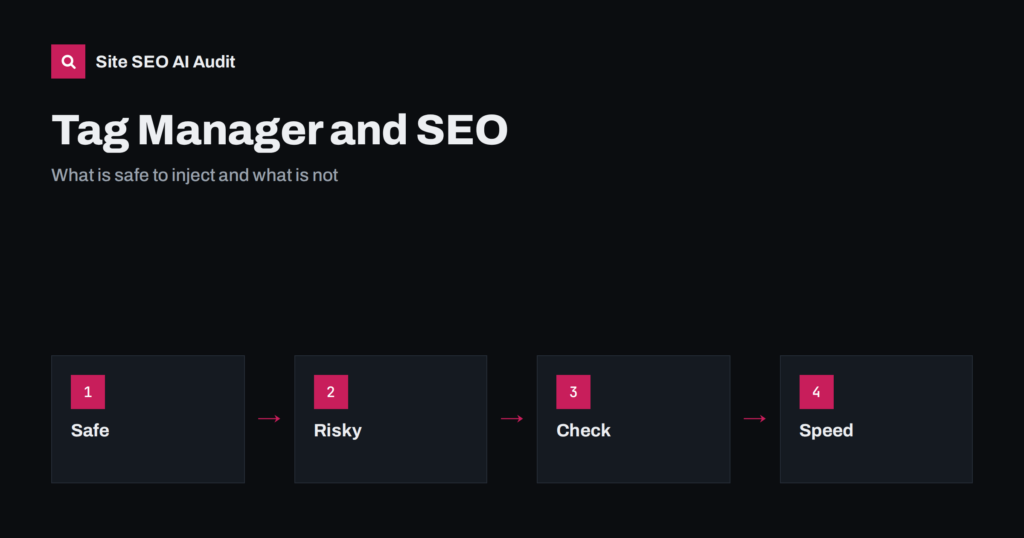
Google Tag Manager and SEO: What Is Safe to Inject
Tag managers can inject titles, canonicals and schema with JavaScript. See what is safe for search and AI crawlers, what is risky and how…
 1 de nov. de 2026 · 8 min de leitura
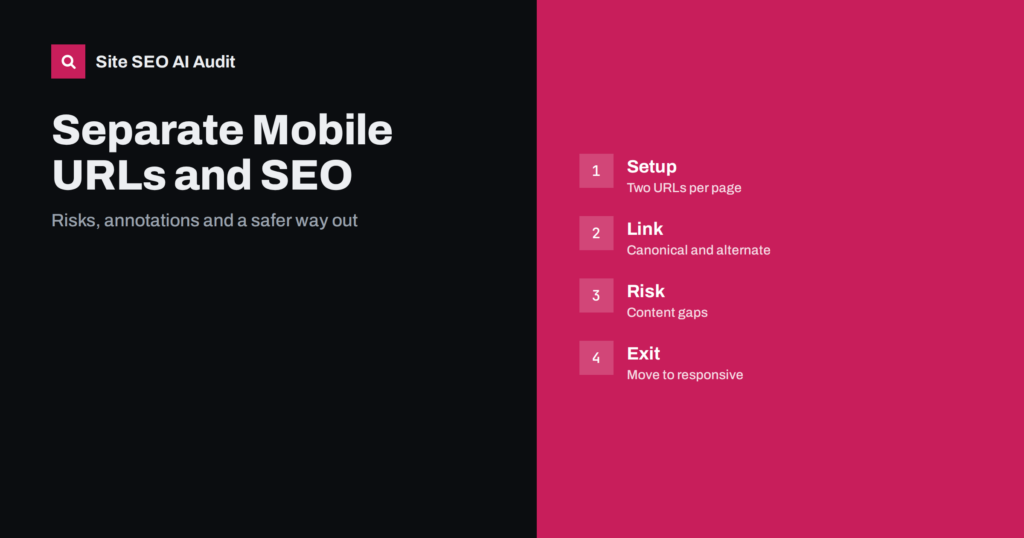
Separate Mobile URLs (m-dot) and SEO: Risks and Fixes
Some sites still serve phones from an m-dot address. Learn the risks of separate mobile URLs, the annotations they need and when to move…
 31 de out. de 2026 · 8 min de leitura
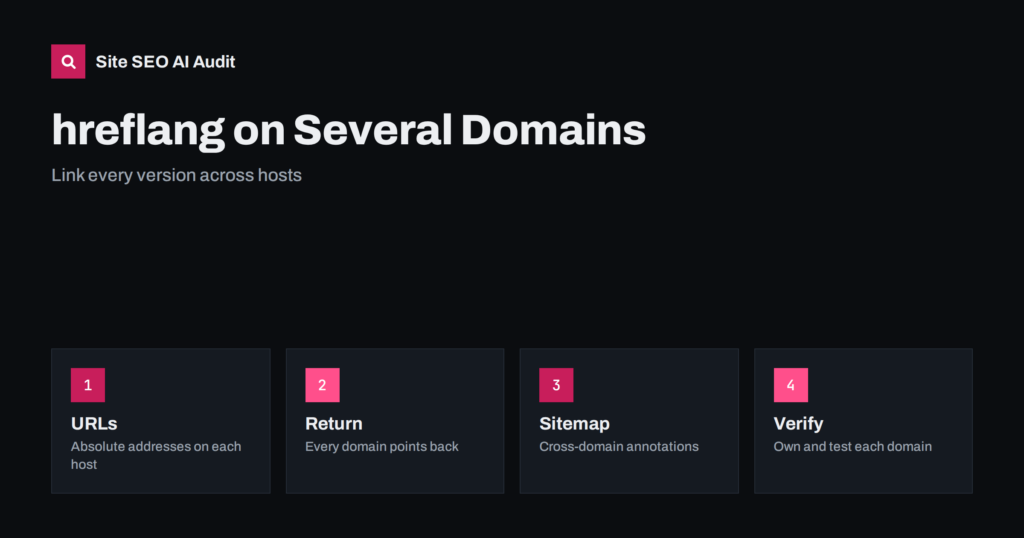
hreflang Across Several Domains: Setup and Common Traps
How to set up hreflang when language or country versions live on different domains: full addresses, return links across hosts, sitemaps and typical traps.
 31 de out. de 2026 · 8 min de leitura
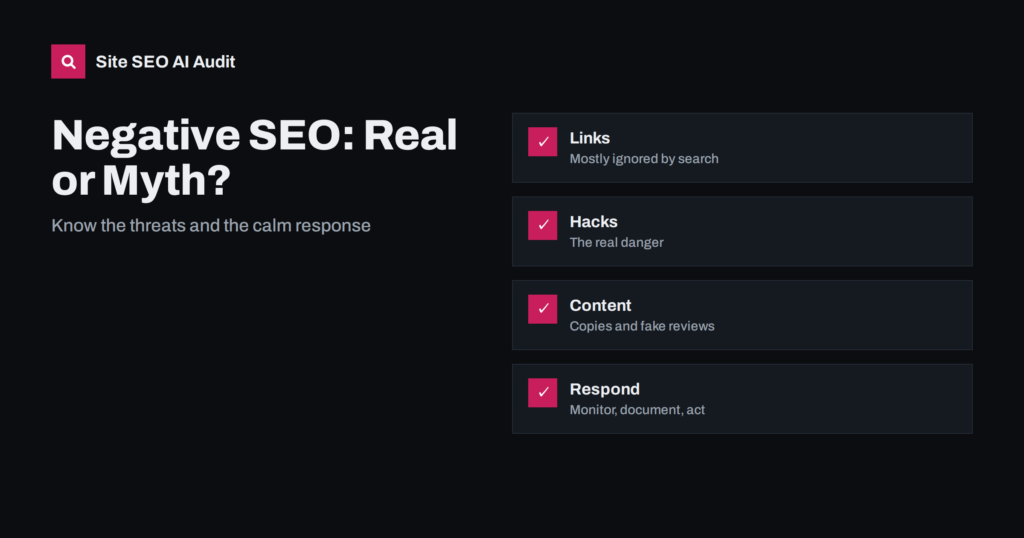
Negative SEO: What Is Real, What Is Myth and What to Do
A sober look at negative SEO: spam links, scraped content, fake reviews, hacking and crawl abuse, which threats are real and how to respond…
 31 de out. de 2026 · 8 min de leitura
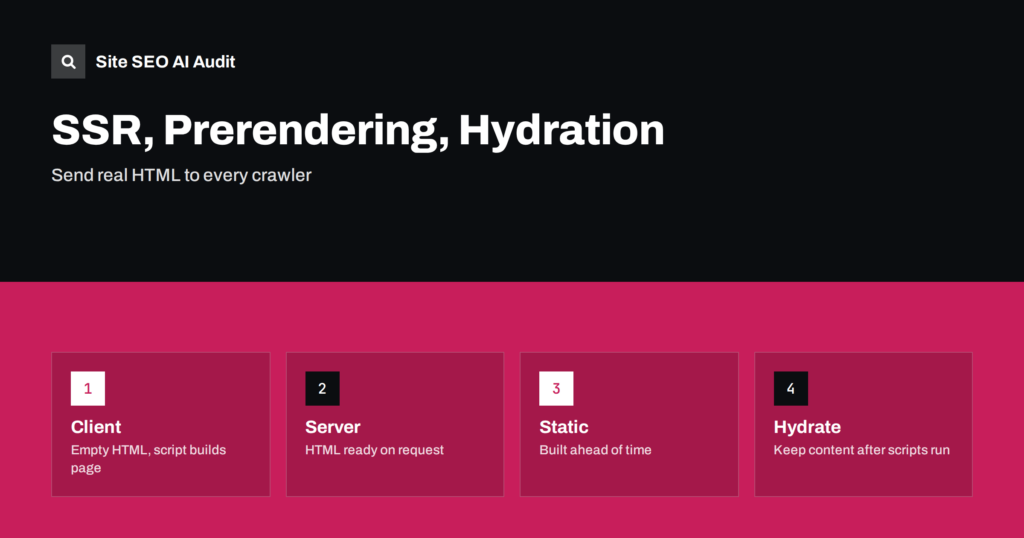
Server-Side Rendering, Prerendering and Hydration for SEO
A plain comparison of client-side, server-side, static and prerendered pages for SEO, with trade-offs, hydration pitfalls and a simple way to choose.
 31 de out. de 2026 · 8 min de leitura
Iframes and Embedded Widgets: Effects on SEO and Speed
How search engines treat content inside iframes, what that means for maps, forms, videos and widgets, and how to embed content without losing value…