 ENEnglish
 LTLietuviškai
 DEDeutsch
 FRFrançais
 RUРусский
 ESEspañol
 PLPolski
 ITItaliano
 UKУкраїнська
 CSČeština
 PTPortuguês
 JA日本語
 LVLatviešu valoda
 ETEesti
 HUMagyar
 IDBahasa Indonesia
 TRTürkçe
 HIहिन्दी
 ELΕλληνικά
 ARالعربية
 THไทย
 VITiếng Việt
 RORomână
 MSBahasa Melayu
 BNবাংলা
SEO técnico
Guides on the technical side of search: crawling, indexing, status codes, canonicals, redirects and sitemaps. Each article starts from a real issue found by a deep crawl and explains why it hides pages from search. We show how to find the affected pages and how to fix them on common platforms, including WordPress. The focus is on problems that affect many pages at once, because they cost the most visibility. Examples come from online shops, company websites and blogs. Read these guides before a redesign, a migration or a big content update.
 7 de out. de 2026 · 8 min de leitura
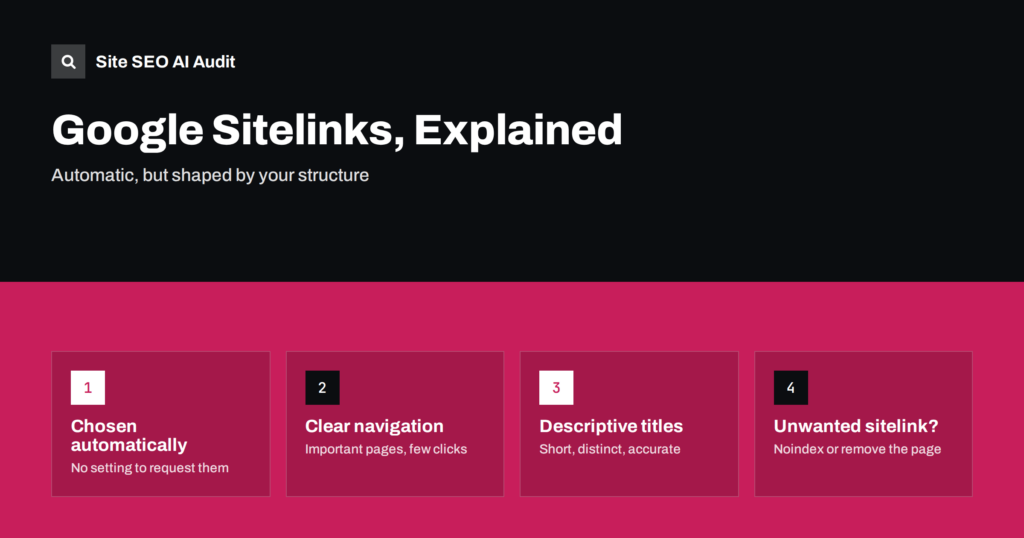
Google Sitelinks: What Controls Them and What You Can Do
Sitelinks are chosen by Google automatically, but your site structure, navigation, titles and internal links shape them. What helps and how to remove a…
 7 de out. de 2026 · 9 min de leitura
Buying a Used Domain? Check Its SEO History First
Before you buy an expired or used domain, check its past content, spam, penalties and backlinks. A practical checklist to avoid inheriting SEO problems.
 4 de out. de 2026 · 8 min de leitura
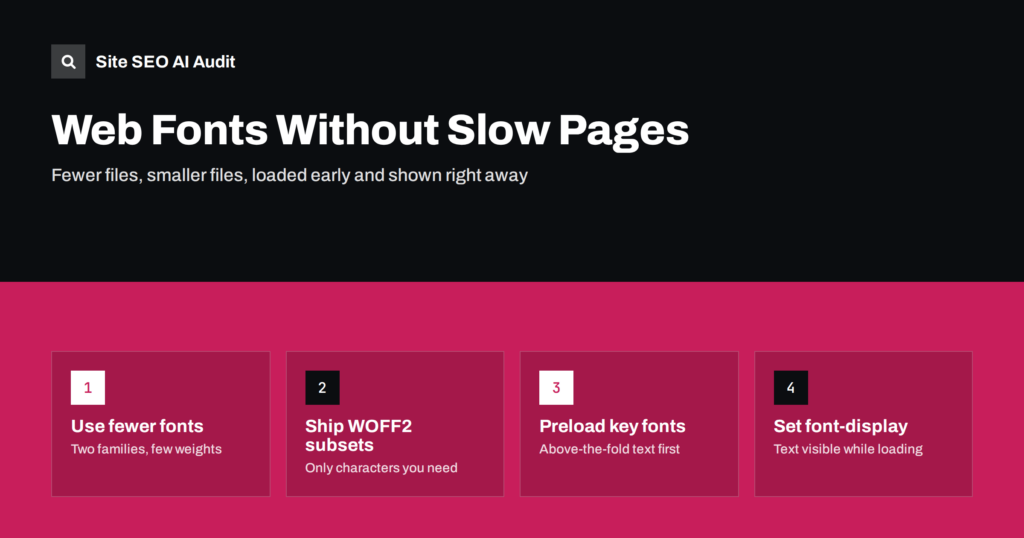
Web Fonts and Page Speed: Load Fonts Without Hurting SEO
Custom fonts can slow pages, hide text and shift layouts. How to load web fonts fast with WOFF2, subsetting, preload and font-display, without losing…
 2 de out. de 2026 · 9 min de leitura
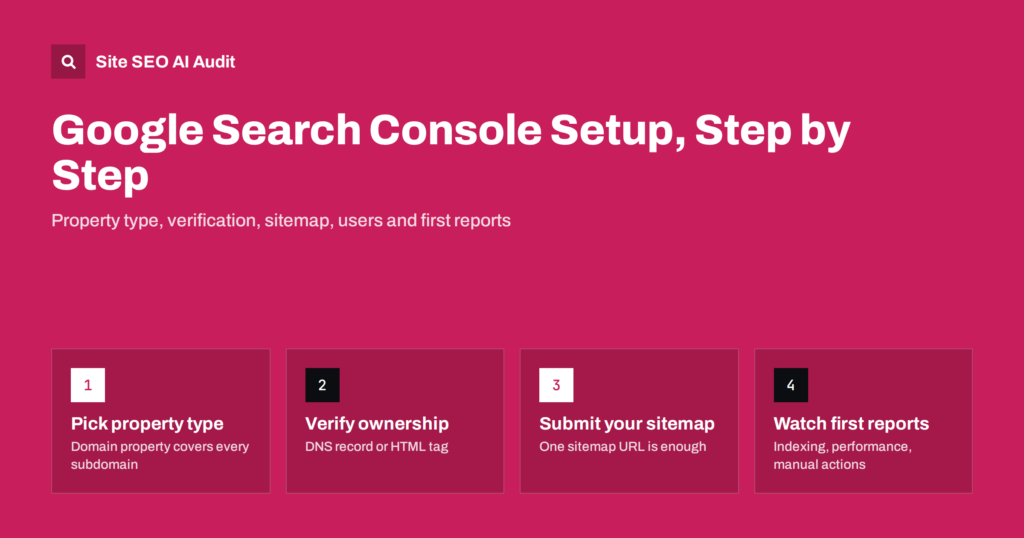
Google Search Console Setup: A Step-by-Step Guide
How to set up Google Search Console properly: choose the right property type, verify it, submit a sitemap, add users and know which reports…
 1 de out. de 2026 · 7 min de leitura
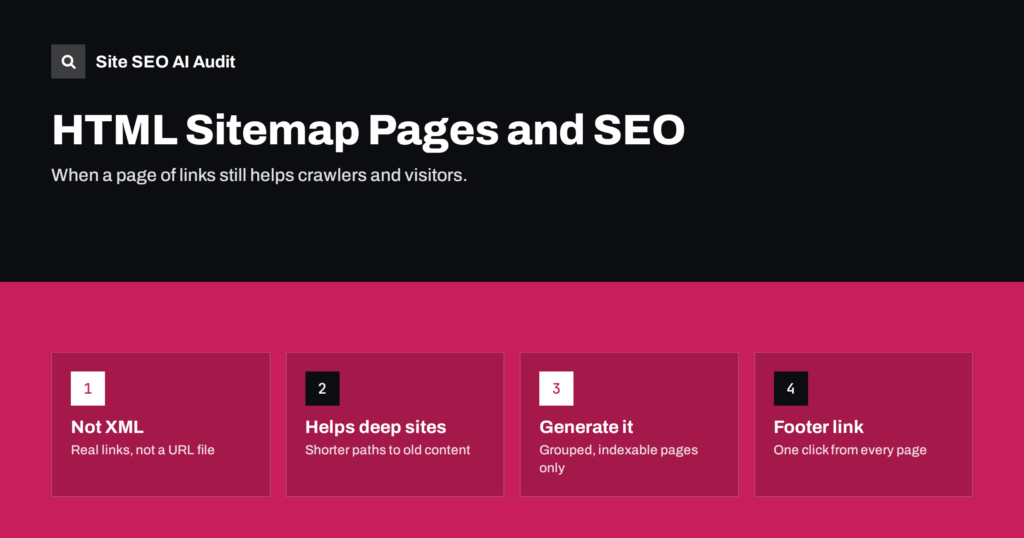
HTML Sitemap Pages: When They Still Help SEO and Visitors
An HTML sitemap is a page of links to your content. When it still helps crawling and visitors, when it adds nothing, and how…
 1 de out. de 2026 · 8 min de leitura
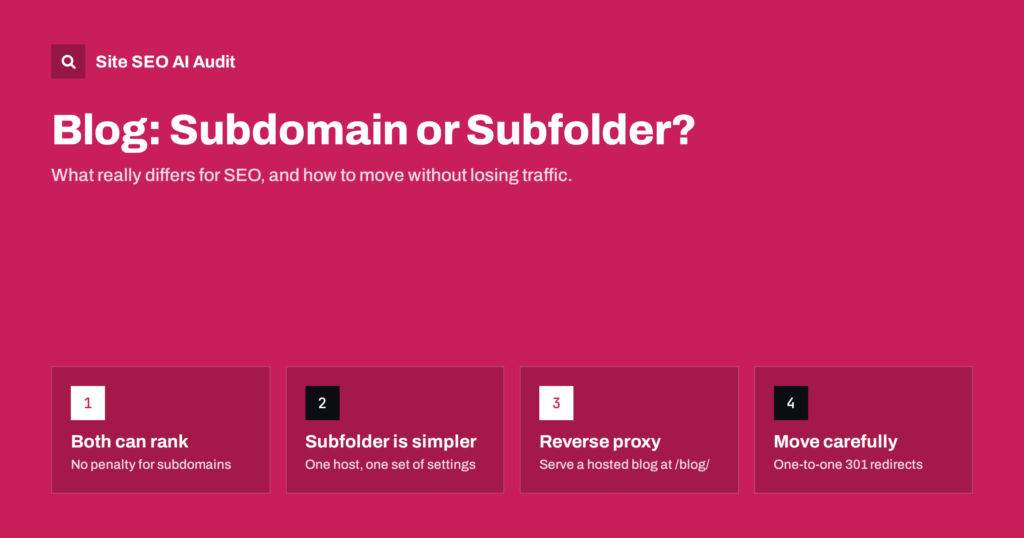
Blog on a Subdomain or Subfolder? The SEO Trade-Offs
blog.example.com or example.com/blog/? What really differs for SEO, when a subdomain is fine, and how to move a blog between them without losing traffic.
 1 de out. de 2026 · 8 min de leitura
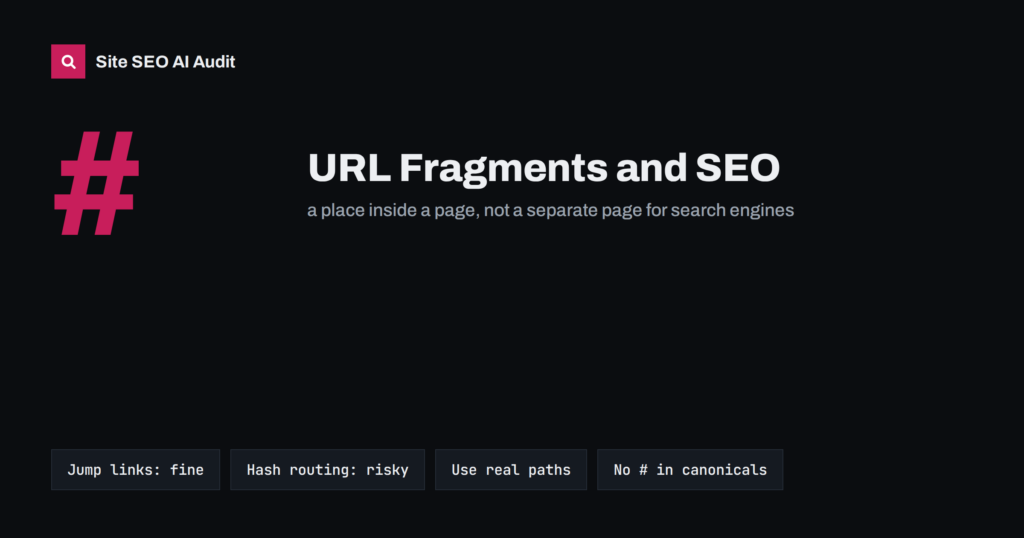
URL Fragments and Hash URLs: How Search Engines Treat #
Everything after # in a URL is usually ignored by search engines. What that means for jump links, hash routing in single-page apps, tracking…
 1 de out. de 2026 · 8 min de leitura
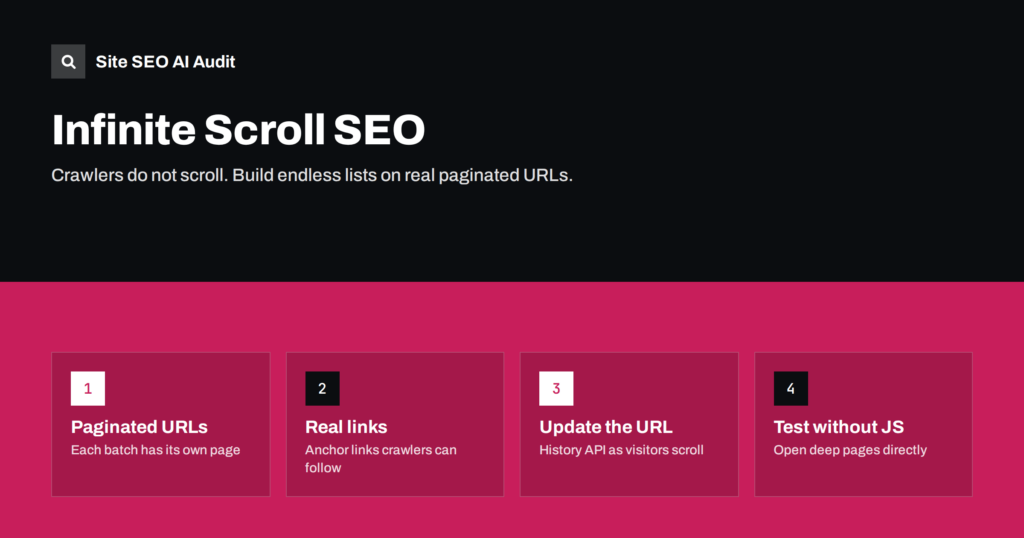
Infinite Scroll SEO: Make Endless Pages Crawlable
Infinite scroll can hide most of your products or posts from search engines. Learn how to build it on real paginated URLs so every…
 1 de out. de 2026 · 9 min de leitura
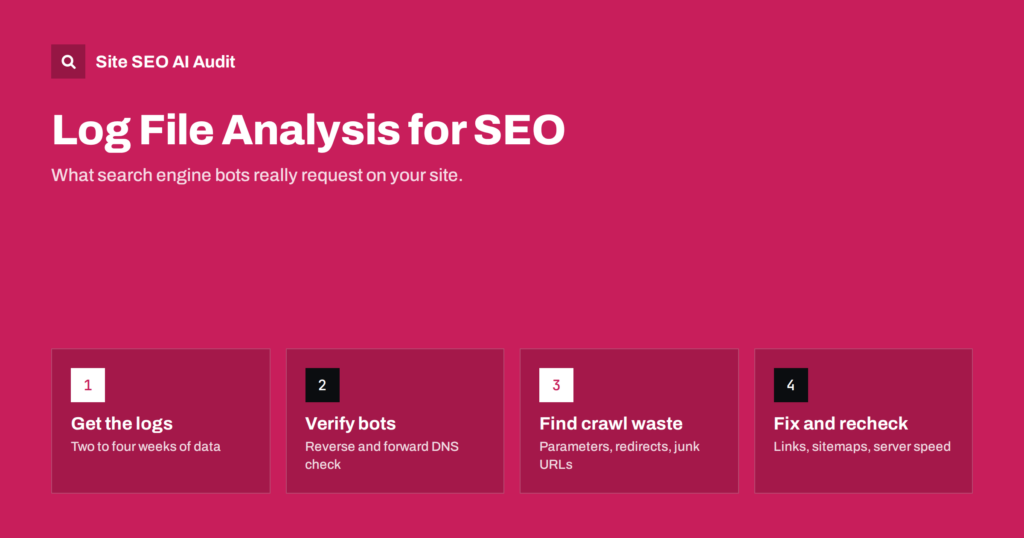
Log File Analysis for SEO: What Your Server Logs Reveal
Server logs show what search engine bots really request on your site. Learn how to read them, what to look for and which SEO…
 30 de set. de 2026 · 8 min de leitura
Removing AMP Pages Without Losing Search Traffic
Many sites keep AMP only out of habit. Learn when removing AMP makes sense and how to redirect AMP URLs, clean up tags and…
 30 de set. de 2026 · 8 min de leitura
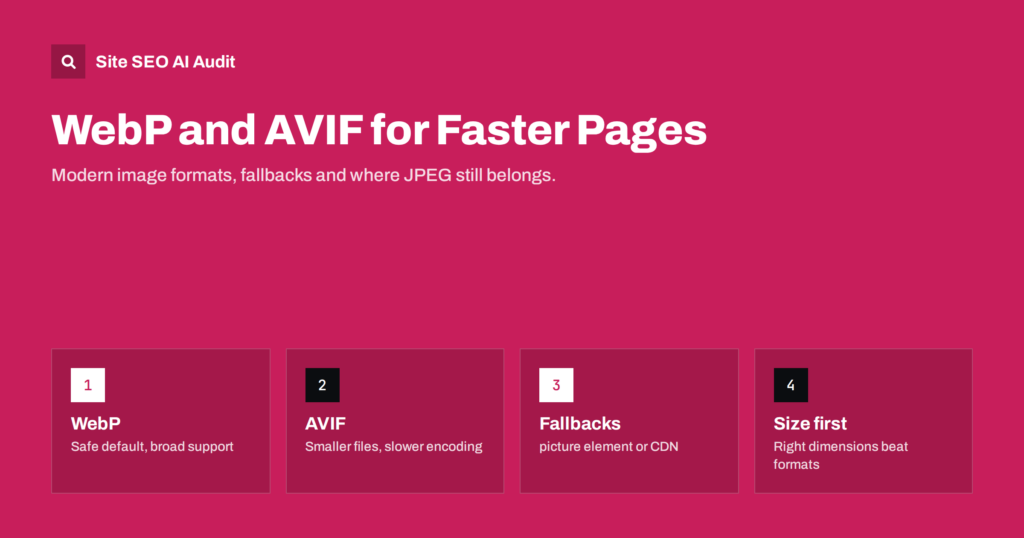
WebP and AVIF: Choosing Image Formats for Faster Pages
WebP and AVIF can make images much lighter than JPEG and PNG. Learn how they compare, how to serve them with fallbacks and where…
 30 de set. de 2026 · 7 min de leitura
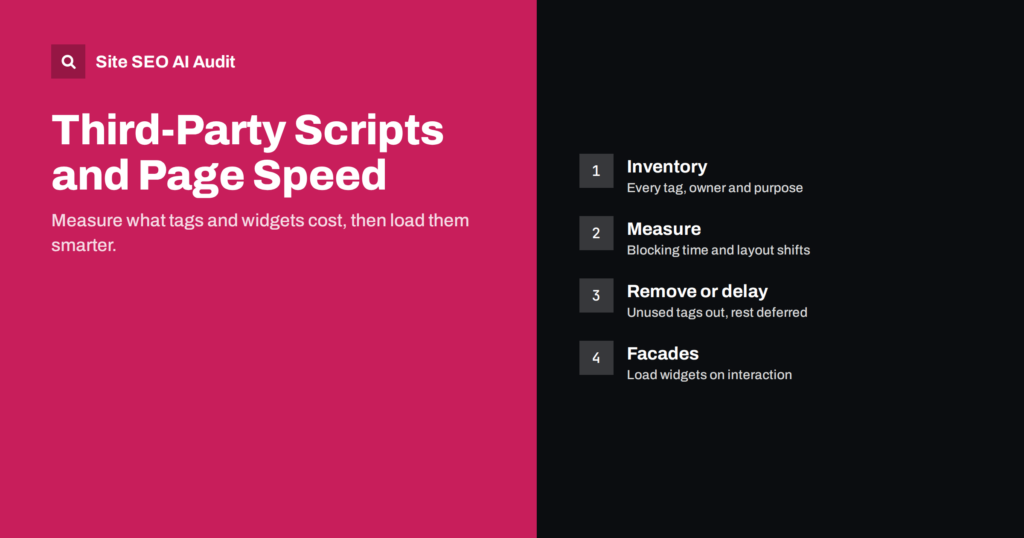
Third-Party Scripts: How Tags and Widgets Slow Your Site
Chat widgets, trackers and tag managers often cost more speed than your own code. Learn how to measure third-party scripts and load them without…