 ENEnglish
 LTLietuviškai
 DEDeutsch
 FRFrançais
 RUРусский
 ESEspañol
 PLPolski
 ITItaliano
 UKУкраїнська
 CSČeština
 PTPortuguês
 JA日本語
 LVLatviešu valoda
 ETEesti
 HUMagyar
 IDBahasa Indonesia
 TRTürkçe
 HIहिन्दी
 ELΕλληνικά
 ARالعربية
 THไทย
 VITiếng Việt
 RORomână
 MSBahasa Melayu
 BNবাংলা
#Crawling
Crawling is how search engines discover and download the pages of a website. Articles tagged here explain how crawlers find URLs through links and sitemaps and how they decide what to fetch again. They cover crawl budget, crawl traps, server errors and slow responses. Each guide shows how to see your site the way a crawler sees it. You will learn which fixes make crawling faster and cleaner. A page that is never crawled can never be indexed or ranked.
 7 de nov. de 2026 · 8 min de leitura
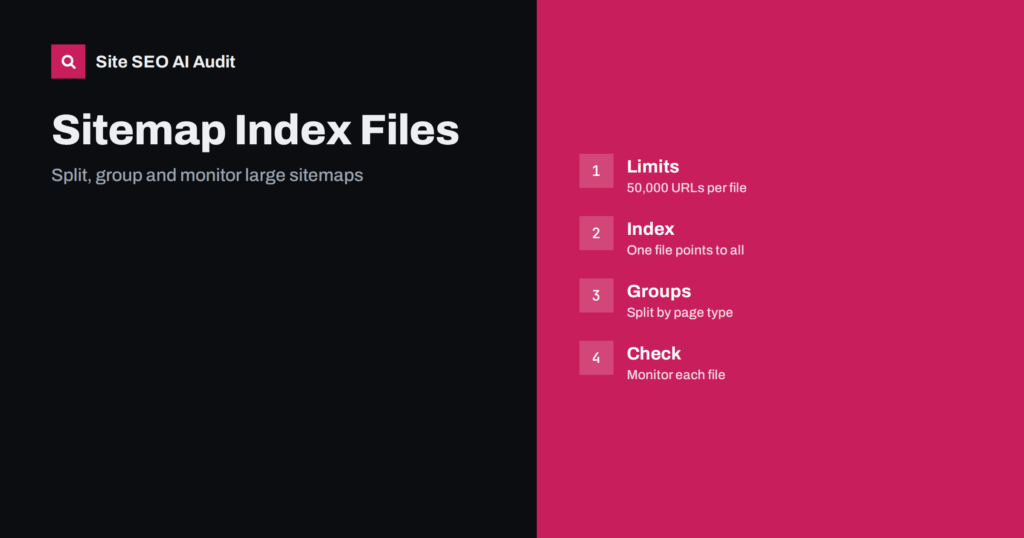
Sitemap Index Files: How to Handle Very Large Sites
How to split sitemaps for a very large site: the 50,000 URL and 50 MB limits, sitemap index files, sensible grouping, honest lastmod values…
 5 de nov. de 2026 · 8 min de leitura
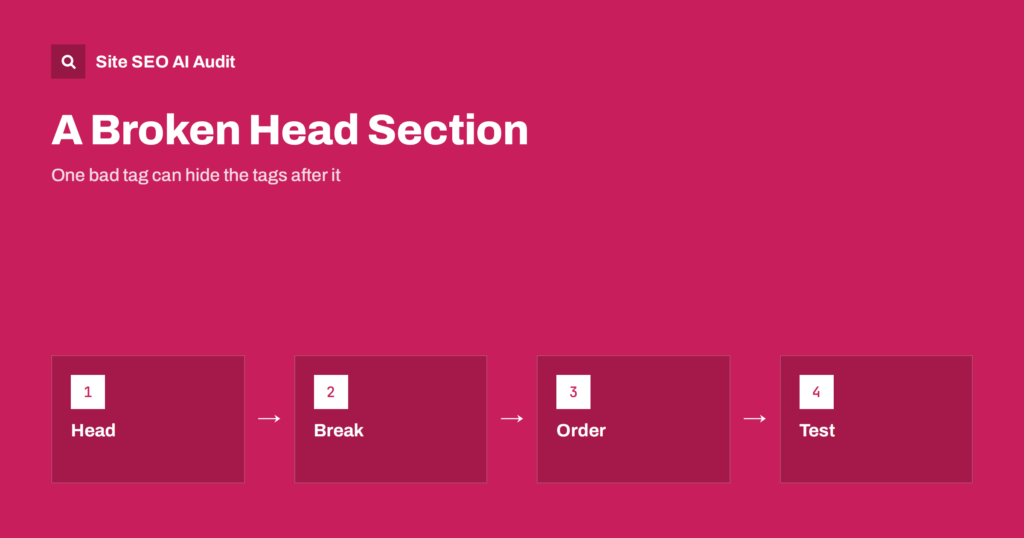
Broken Head Section: Tags That Break Your Meta Data
Some tags placed in the head can close it early, so search engines may ignore the canonical, hreflang and robots tags after them. Learn…
 5 de nov. de 2026 · 8 min de leitura
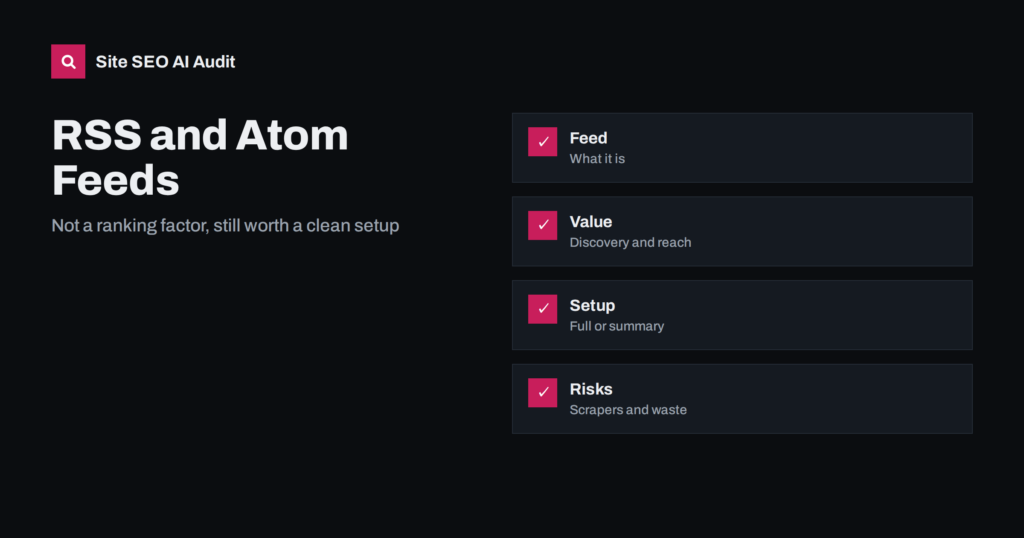
RSS and Atom Feeds: Do They Help Your Blog’s SEO?
RSS and Atom feeds do not boost rankings, but they help discovery and syndication. Learn how to set them up, what to include and…
 4 de nov. de 2026 · 8 min de leitura
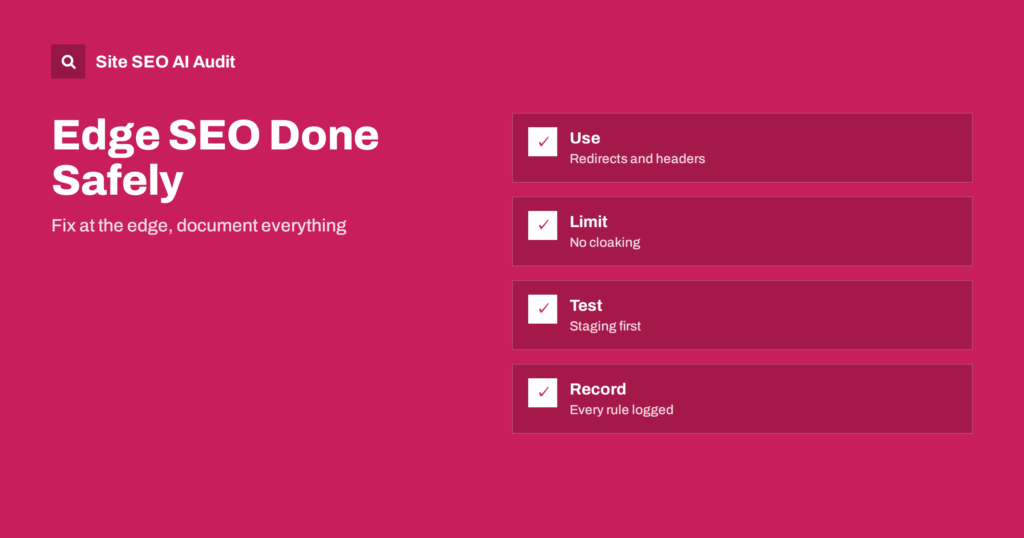
Edge SEO: Making SEO Changes at the CDN Safely
Edge SEO means changing redirects, headers or HTML at the CDN layer. Learn what it can fix, where it is risky and how to…
 3 de nov. de 2026 · 8 min de leitura
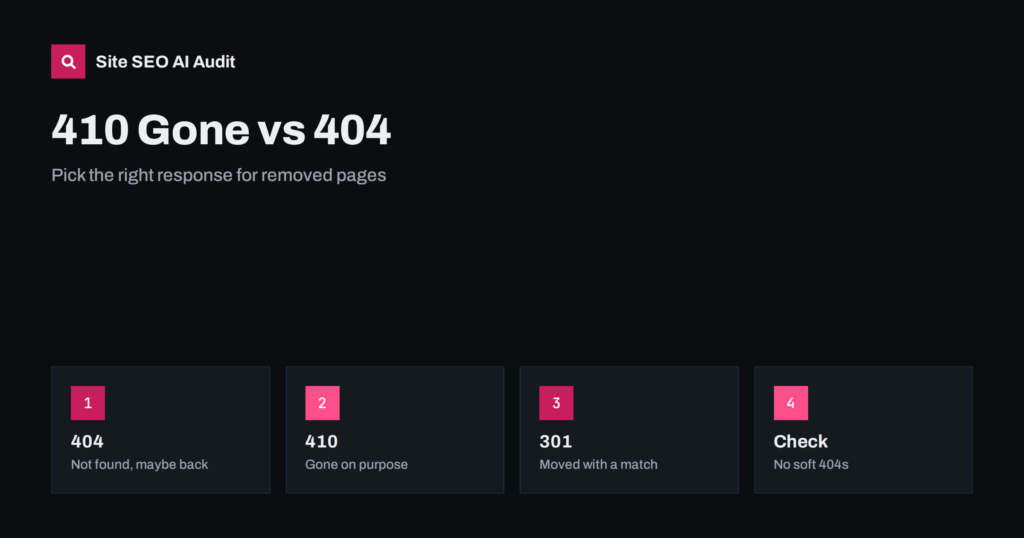
410 Gone vs 404 Not Found: Which Should You Use?
Both 404 and 410 tell search engines a page is missing. Learn how they differ, what Google does with each and when a redirect…
 3 de nov. de 2026 · 8 min de leitura
Does noindex, follow Still Pass Link Signals?
What happens to the links on a page marked noindex, follow? Learn what is known, why long-term noindex pages may lose link value and…
 3 de nov. de 2026 · 8 min de leitura
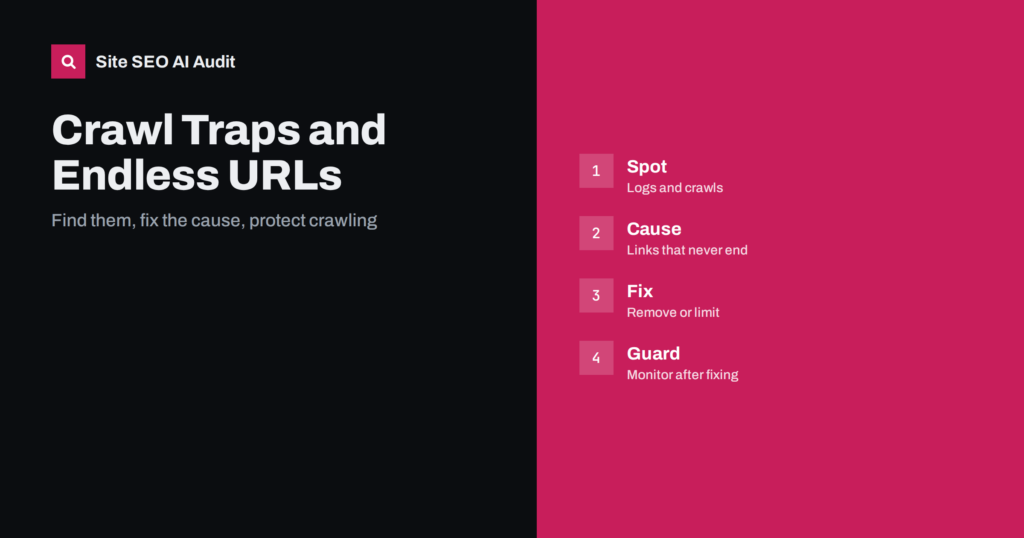
Crawl Traps: Calendars, Session IDs and Endless URLs
A crawl trap is a set of URLs with no natural end. Learn how calendars, session IDs and loops create them, how to find…
 2 de nov. de 2026 · 8 min de leitura
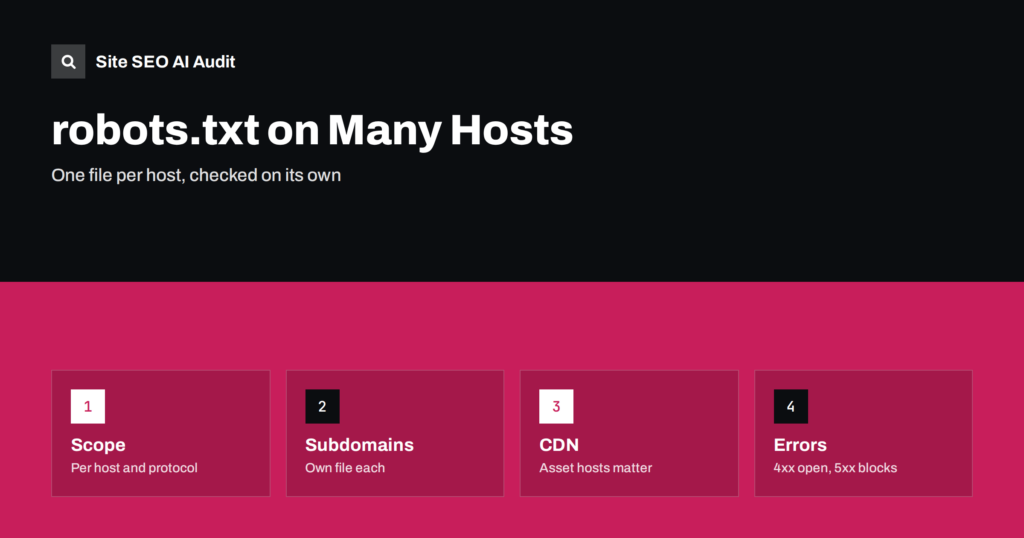
robots.txt for Subdomains, CDNs and Multiple Domains
Each host and protocol needs its own robots.txt. See how subdomains, CDN domains, staging hosts and multi-domain setups are covered and how errors hit…
 31 de out. de 2026 · 8 min de leitura
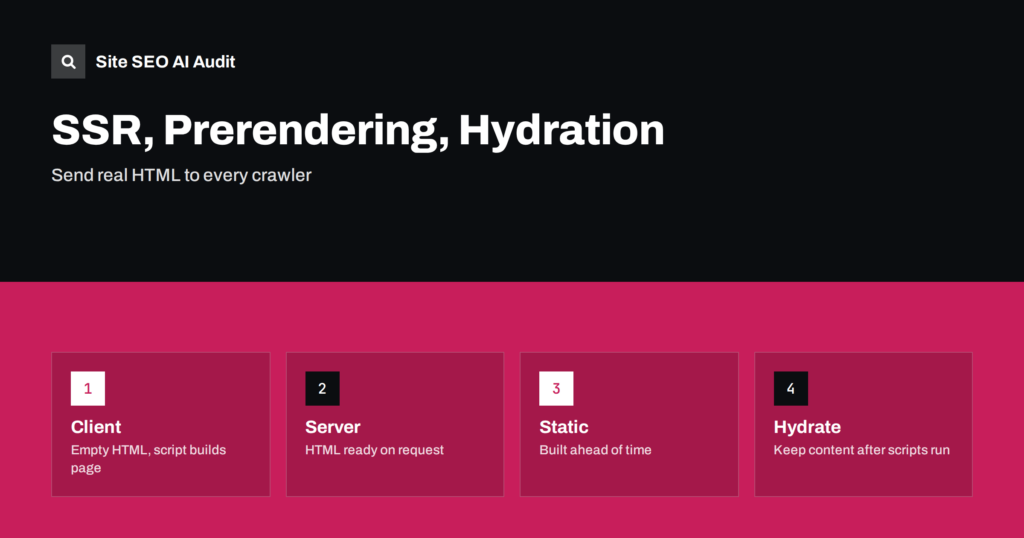
Server-Side Rendering, Prerendering and Hydration for SEO
A plain comparison of client-side, server-side, static and prerendered pages for SEO, with trade-offs, hydration pitfalls and a simple way to choose.
 31 de out. de 2026 · 7 min de leitura
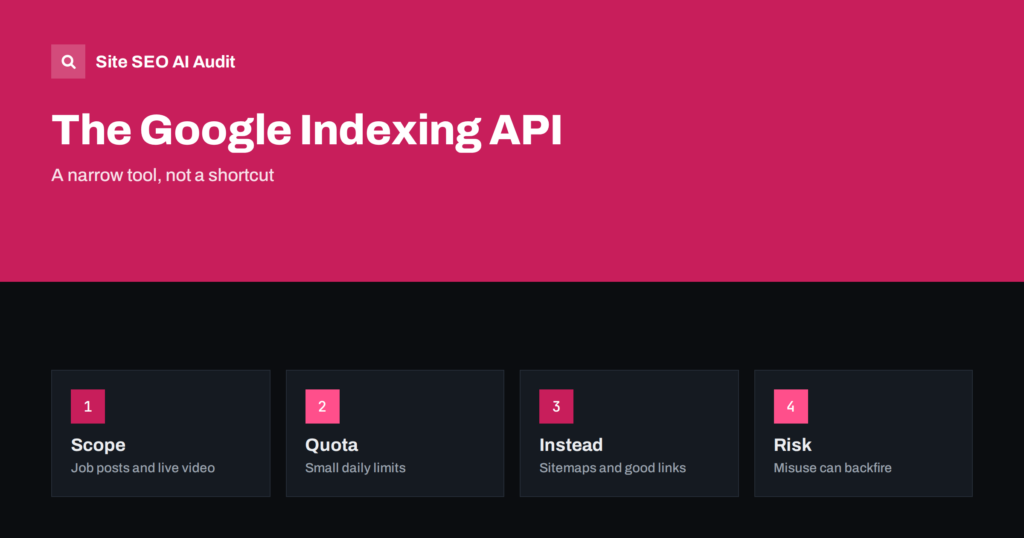
Google Indexing API: Who Can Use It and Who Cannot
What the Google Indexing API is for, which page types it officially supports, why it is no shortcut for ordinary pages, and what to…
 29 de out. de 2026 · 8 min de leitura
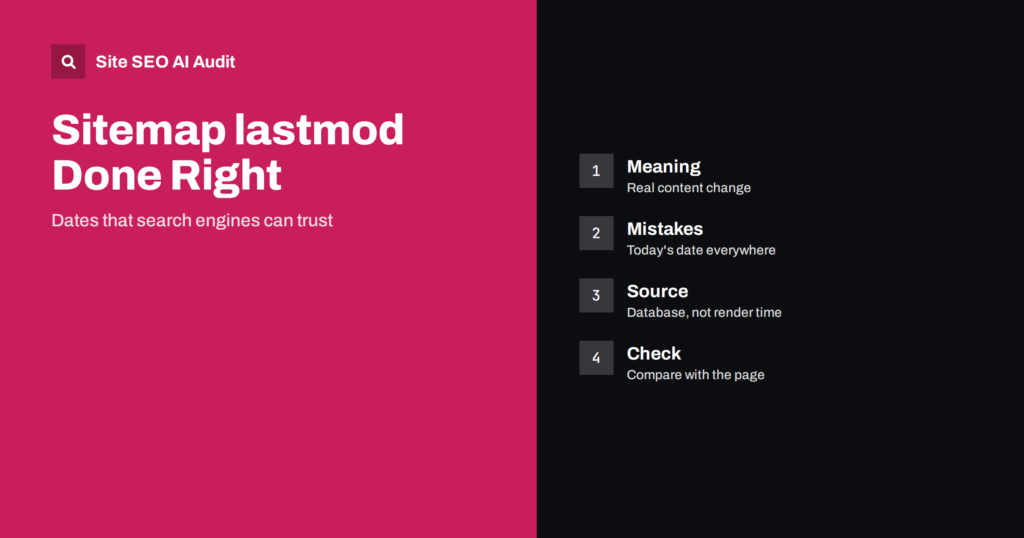
Sitemap lastmod: How to Keep Last-Modified Dates Accurate
Learn what the lastmod value in an XML sitemap should show, how wrong dates make search engines distrust it, and how to fix them…
 29 de out. de 2026 · 8 min de leitura
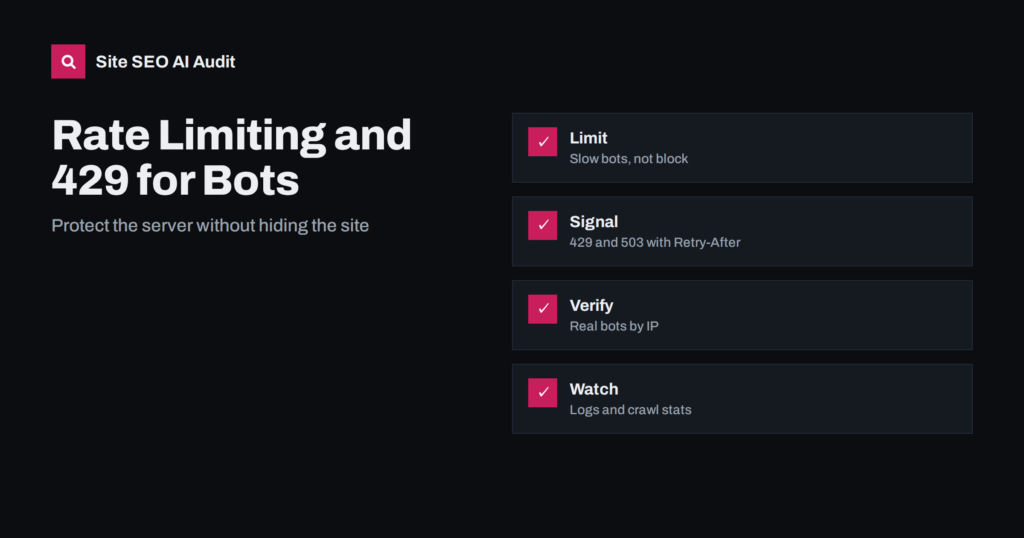
Rate Limiting and 429 Errors: Handling Search and AI Bots
How server rate limits and 429 or 503 responses affect Googlebot and AI crawlers, how to protect your site without blocking good bots, and…