 ENEnglish
 LTLietuviškai
 DEDeutsch
 FRFrançais
 RUРусский
 ESEspañol
 PLPolski
 ITItaliano
 UKУкраїнська
 CSČeština
 PTPortuguês
 JA日本語
 LVLatviešu valoda
 ETEesti
 HUMagyar
 IDBahasa Indonesia
 TRTürkçe
 HIहिन्दी
 ELΕλληνικά
 ARالعربية
 THไทย
 VITiếng Việt
 RORomână
 MSBahasa Melayu
 BNবাংলা
#Technical SEO
Technical SEO is the part of search optimization that makes a website easy to crawl, render and index. Articles tagged here cover robots.txt, canonicals, redirects, status codes, sitemaps and site speed. They explain how search engines move through a site and where that process usually breaks. Each guide gives concrete steps to find a problem and fix it. The focus is on issues that affect many pages at once. A sound technical base lets good content be found and ranked.
 5 de nov. de 2026 · 8 min de leitura
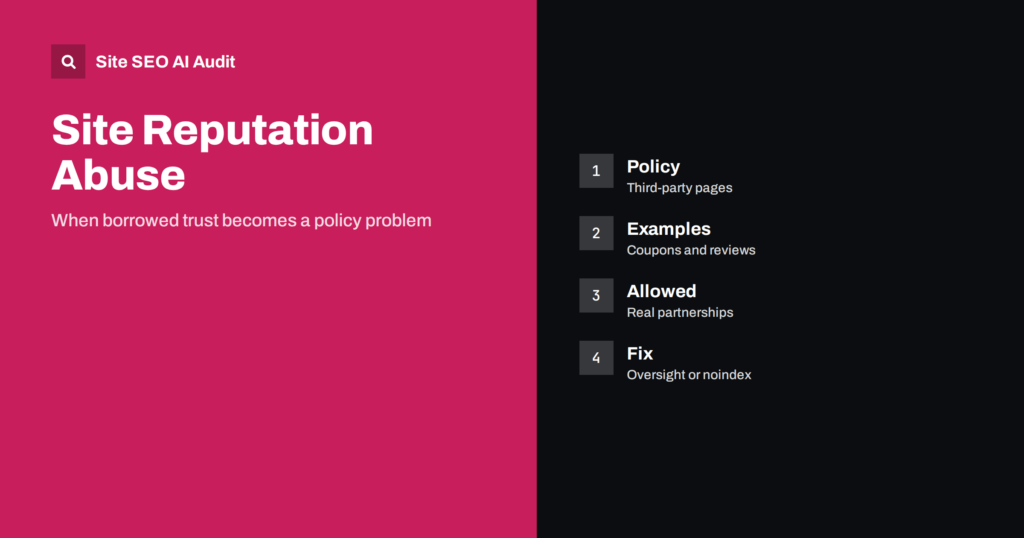
Site Reputation Abuse: What Google’s Policy Means
Google's site reputation abuse policy targets third-party pages that borrow a host site's ranking power. Learn what it covers, what is allowed and what…
 5 de nov. de 2026 · 8 min de leitura
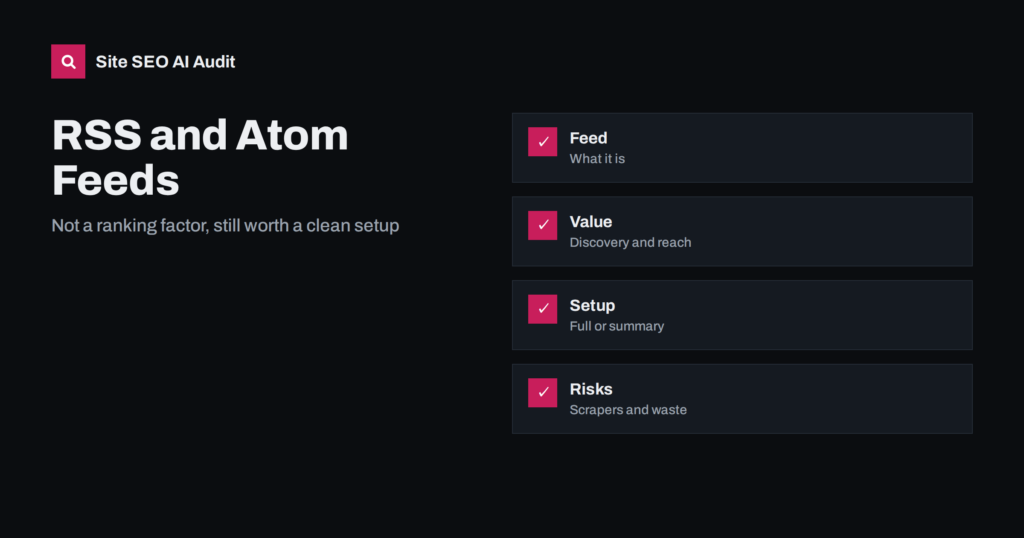
RSS and Atom Feeds: Do They Help Your Blog’s SEO?
RSS and Atom feeds do not boost rankings, but they help discovery and syndication. Learn how to set them up, what to include and…
 5 de nov. de 2026 · 8 min de leitura
Reverse Proxy for a Blog in a Subfolder: SEO Setup
How to serve a blog from a subfolder of your main domain with a reverse proxy, and avoid the SEO traps: canonicals, redirects, sitemaps,…
 4 de nov. de 2026 · 7 min de leitura
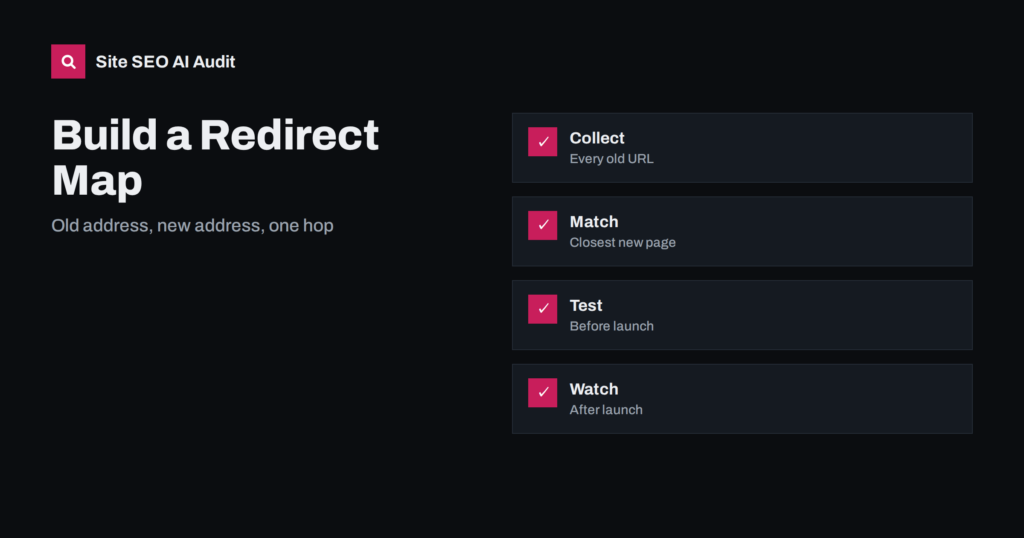
How to Build a Redirect Map for a Site Migration
A step-by-step method for building a redirect map: collect old URLs, match them to new pages, handle edge cases, test the file and monitor…
 4 de nov. de 2026 · 8 min de leitura
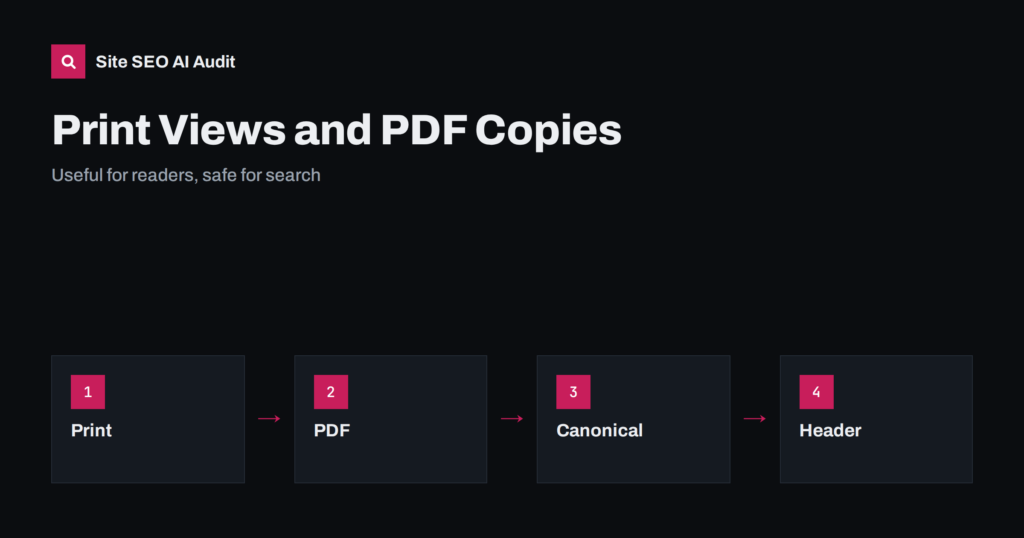
Printable Pages and PDF Copies: Duplicate Content Risks
Print views and PDF downloads can duplicate your web pages. Learn when they cause problems, how canonical tags, headers and print styles help and…
 4 de nov. de 2026 · 8 min de leitura
Search Console Alerts: Which Emails Need Action?
Search Console sends emails about indexing, security, markup and manual actions. Learn which alerts are urgent, which are routine and who should receive them.
 4 de nov. de 2026 · 8 min de leitura
Edge SEO: Making SEO Changes at the CDN Safely
Edge SEO means changing redirects, headers or HTML at the CDN layer. Learn what it can fix, where it is risky and how to…
 3 de nov. de 2026 · 8 min de leitura
410 Gone vs 404 Not Found: Which Should You Use?
Both 404 and 410 tell search engines a page is missing. Learn how they differ, what Google does with each and when a redirect…
 3 de nov. de 2026 · 8 min de leitura
Does noindex, follow Still Pass Link Signals?
What happens to the links on a page marked noindex, follow? Learn what is known, why long-term noindex pages may lose link value and…
 3 de nov. de 2026 · 8 min de leitura
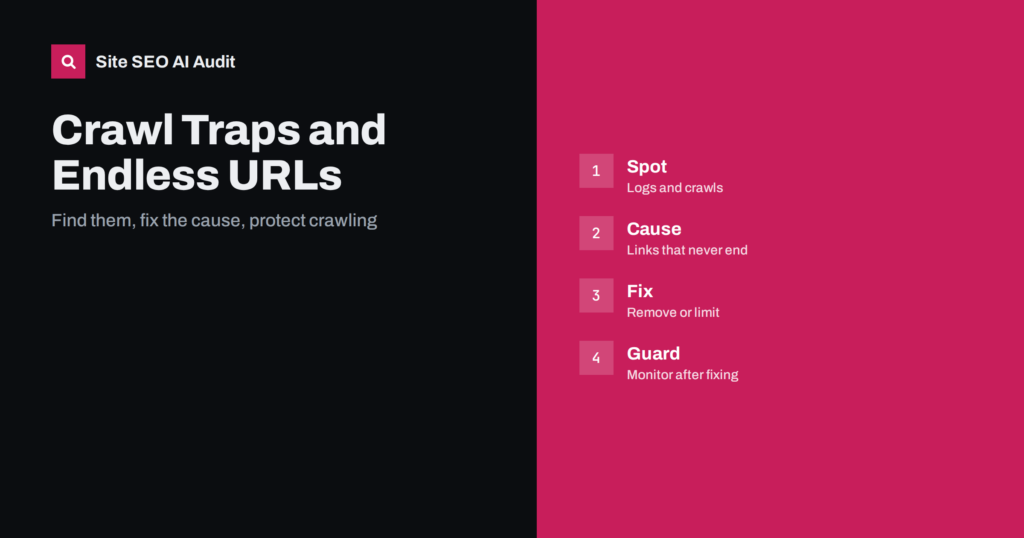
Crawl Traps: Calendars, Session IDs and Endless URLs
A crawl trap is a set of URLs with no natural end. Learn how calendars, session IDs and loops create them, how to find…
 2 de nov. de 2026 · 8 min de leitura
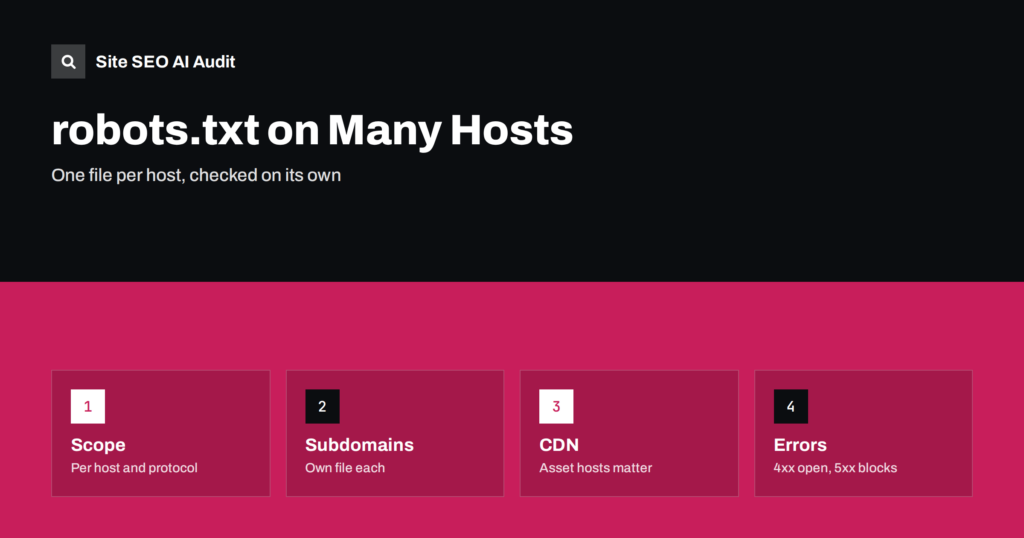
robots.txt for Subdomains, CDNs and Multiple Domains
Each host and protocol needs its own robots.txt. See how subdomains, CDN domains, staging hosts and multi-domain setups are covered and how errors hit…
 2 de nov. de 2026 · 8 min de leitura
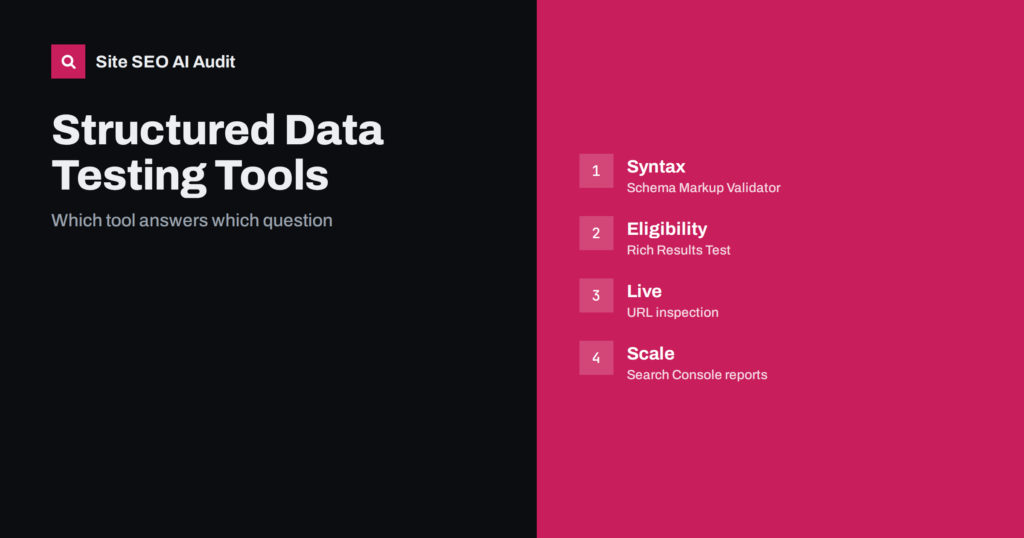
Structured Data Testing Tools Compared and When to Use Each
The Rich Results Test, Schema Markup Validator, URL inspection and Search Console reports check different things. See which tool answers which question.