 ENEnglish
 LTLietuviškai
 DEDeutsch
 FRFrançais
 RUРусский
 ESEspañol
 PLPolski
 ITItaliano
 UKУкраїнська
 CSČeština
 PTPortuguês
 JA日本語
JA日本語 LVLatviešu valoda
 ETEesti
 HUMagyar
 IDBahasa Indonesia
 TRTürkçe
 HIहिन्दी
 ELΕλληνικά
 ARالعربية
 THไทย
THไทย VITiếng Việt
 RORomână
 MSBahasa Melayu
 BNবাংলা
#URL structure
URL structure is how the addresses of a website’s pages are built and organized. Clean, readable URLs help people understand where a link leads and can give search engines a small hint about the content. Good URLs are short, lowercase, use hyphens between words and avoid unnecessary parameters and dates. Changing URLs later requires redirects, so it pays to get them right early. The articles under this tag explain how to write page slugs and plan a URL structure that lasts.
 1 oct. 2026 · 7 min de citit
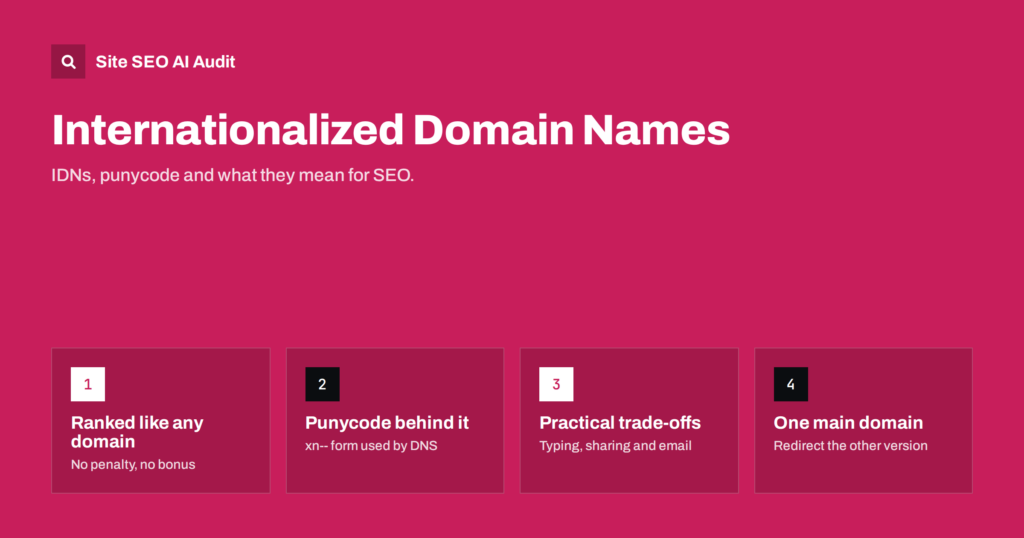
Internationalized Domain Names: IDNs, Punycode and SEO
Domains with local letters like ü, ą or Cyrillic work in search, but they bring practical trade-offs. How IDNs and punycode work and when…
 1 oct. 2026 · 8 min de citit
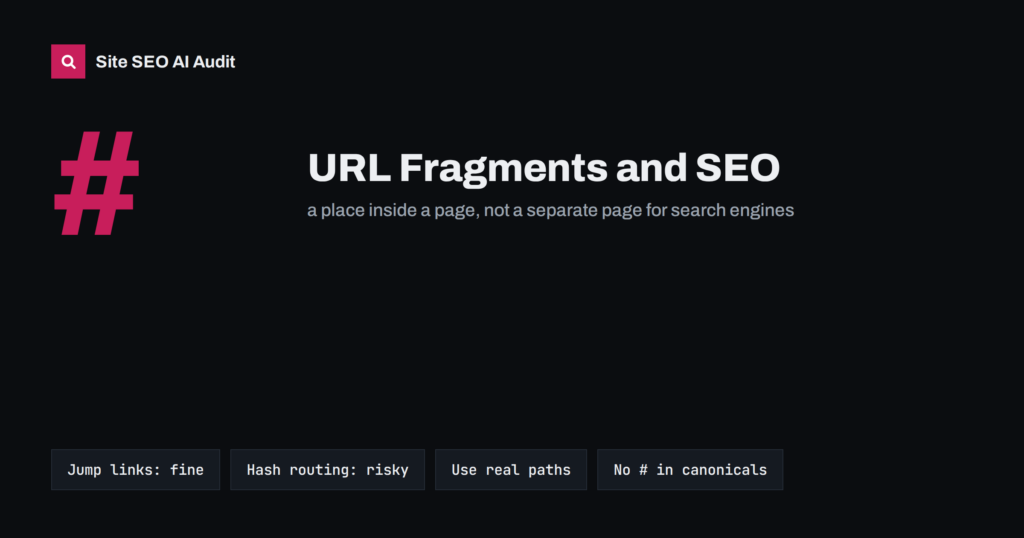
URL Fragments and Hash URLs: How Search Engines Treat #
Everything after # in a URL is usually ignored by search engines. What that means for jump links, hash routing in single-page apps, tracking…
 30 sept. 2026 · 8 min de citit
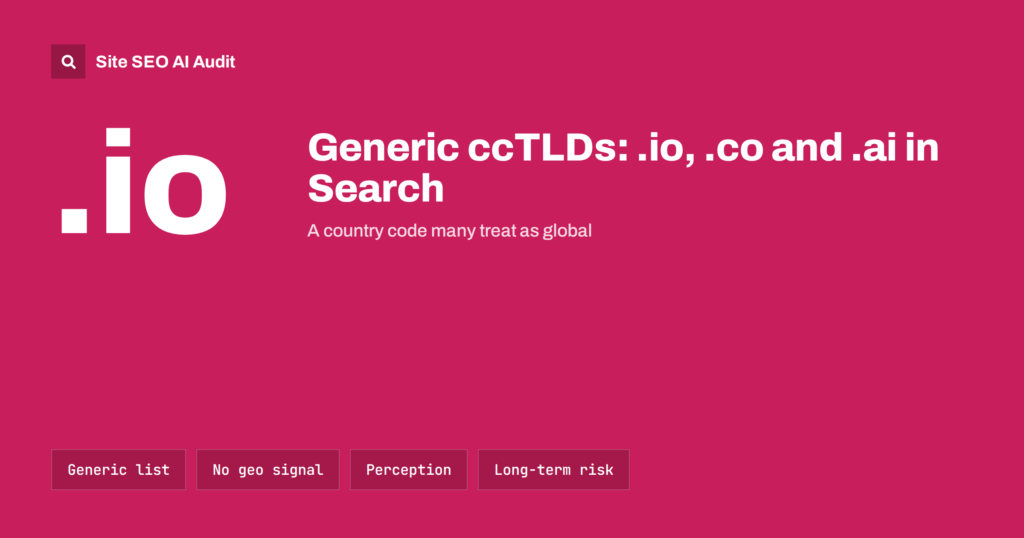
Generic ccTLDs Like .io, .co and .ai: How Search Treats Them
Some country domains, such as .io and .co, are treated as generic by Google. Learn what that means for targeting, when a gccTLD is…
 28 sept. 2026 · 7 min de citit
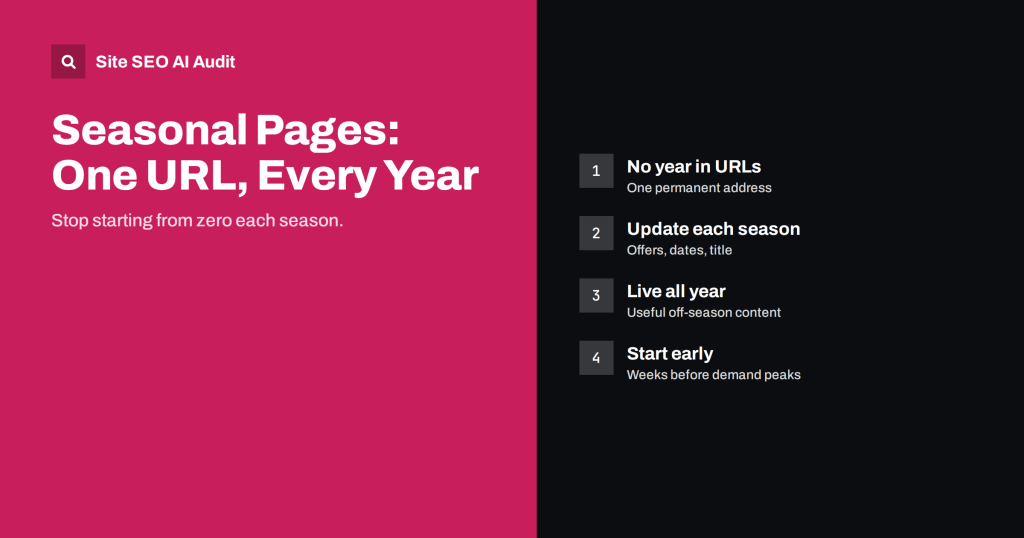
Seasonal Pages and SEO: Keep One URL Year After Year
How to handle seasonal pages like Black Friday: one permanent URL, yearly updates, the year in titles, off-season content, timing, and merging old yearly…
 21 aug. 2026 · 8 min de citit
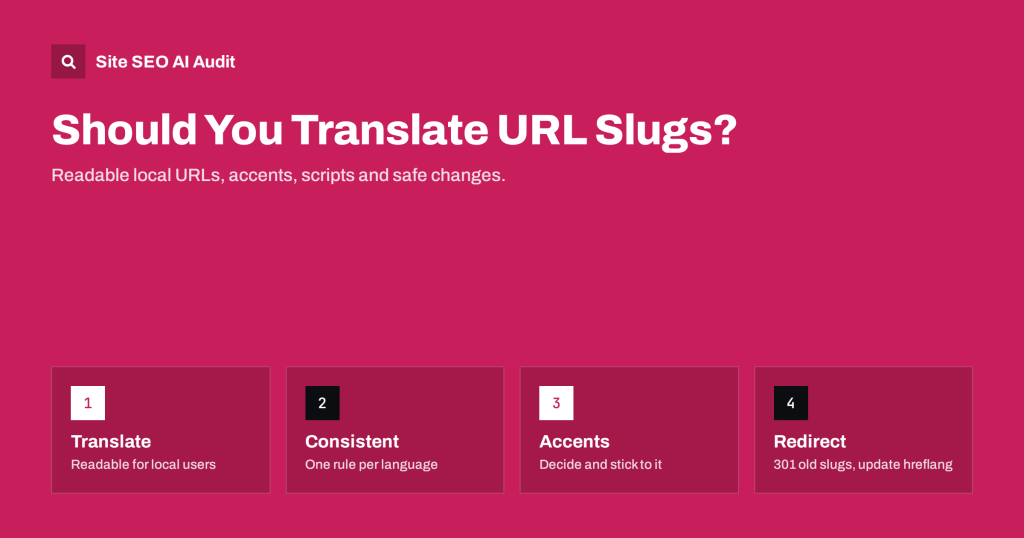
Should You Translate URL Slugs on a Multilingual Site?
Translated or original-language slugs? The SEO and usability trade-offs, handling accents and non-Latin scripts, and changing slugs without losing traffic.
 13 aug. 2026 · 7 min de citit
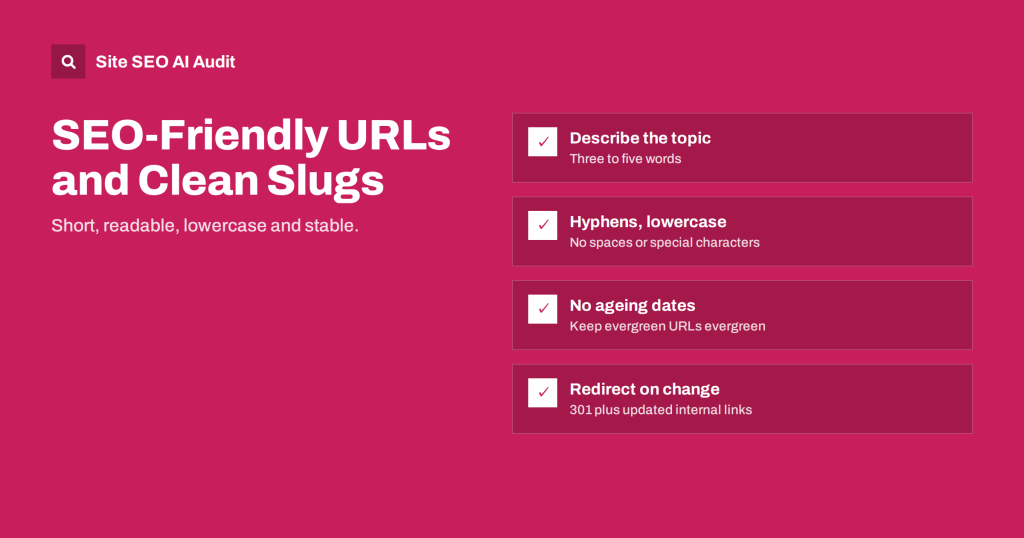
SEO-Friendly URLs: How to Write Clean Page Slugs
How to write clean, SEO-friendly URLs: slug rules, flat vs nested folders, parameters and duplicates, and how to change URLs safely without losing traffic.